Collision Coverage for Seniors in Arkansas
Collision coverage pays to repair or replace your own car after it hits another vehicle or object, or flips over, no matter who caused the accident.
What collision coverage pays for
Covers
- Hitting another vehicle If you're at fault in a crash, this pays to fix or replace your car regardless of whose fault it was.
- Hitting a fixed object A mailbox, a guardrail, a fence post, a garage door, any of these are covered if you run into them.
- Single-car rollovers If you lose control and roll the car without hitting anything else, this still applies.
- Potholes and road damage Collision with the road surface itself, like a deep pothole that bends a wheel or cracks a frame, is covered.
- Hit-and-run damage to your car If someone hits you and drives off, this pays for your repairs while the other driver's liability coverage is unavailable.
- Total loss payout If the car is damaged beyond reasonable repair, this pays out its value instead of fixing it.
Doesn't cover
- Weather and animal damage Hail, flooding, fire, and hitting a deer fall under comprehensive coverage, not collision.
- Medical bills Your own injuries or a passenger's are handled by medical payments or personal injury protection, not this coverage.
- The other driver's car Damage you cause to someone else's vehicle is paid by your liability coverage.
- Mechanical breakdown A failed transmission or a dead battery isn't a collision and isn't covered here.
- Theft of the vehicle A stolen car falls under comprehensive coverage instead.
- Normal wear and tear Rust, worn brakes, and aging tires are maintenance issues, not something any crash coverage touches.
Worth it if the car is worth enough to matter
The deciding factor is simple. If your car's value is low enough that repair or replacement costs would come close to what you'd pay out of pocket anyway, this coverage isn't doing much for you. If the payout would be a meaningful chunk of what the car is worth, it's worth keeping. Whether the car is paid off matters too. A lender usually requires this coverage for as long as there's a loan on the car. Once it's paid off, the decision is entirely yours, and that's when a lot of people start questioning whether to keep paying for it. Think about what you could absorb from savings without real strain. If a totaled car wouldn't change your finances much, you may be comfortable self-insuring that risk. If replacing the car would be a hardship, the coverage is buying you real protection. How much and where you drive also factors in. A car that mostly sits in a garage and makes short, familiar trips carries less risk than one driven daily on unfamiliar roads or longer highway stretches. Less driving generally means less exposure, which is worth weighing against what you're paying to keep this coverage active.
How a claim actually plays out
When you file a claim, you first pay your deductible, which is the amount you've agreed to cover yourself before the coverage pays the rest. A lower deductible means more of your premium goes toward buying down that upfront cost, and a higher one lowers your premium but means more out of pocket if you ever need to use it. After an accident, you report the claim, an adjuster looks at the damage, and the payout is based on repair estimates or, if the car is totaled, its value right before the crash. That value is determined by the condition, mileage, and market for similar cars in your area, not by what you originally paid or what you think it's worth sentimentally. Have your policy number, photos of the damage, and a police report if one was filed ready when you call. If the car is repairable, the payment goes toward the shop doing the work. If it's a total loss, the payout goes to you or to a lender if there's still a loan balance, and the amount is reduced by your deductible either way.
Collision versus comprehensive
Collision Coverage
This pays for damage from hitting another car or object, or from a rollover, where your own actions or road conditions caused it. It applies whether or not another driver is involved.
Comprehensive Coverage
This pays for damage from things other than a crash, like weather, fire, theft, or an animal running into your path. It's the coverage that handles the unpredictable events outside of driving itself.
If you're deciding whether to keep one and drop the other, think about which risk worries you more, a crash you might be involved in or the kind of damage that happens while the car just sits there or passes through bad luck.
Real situations
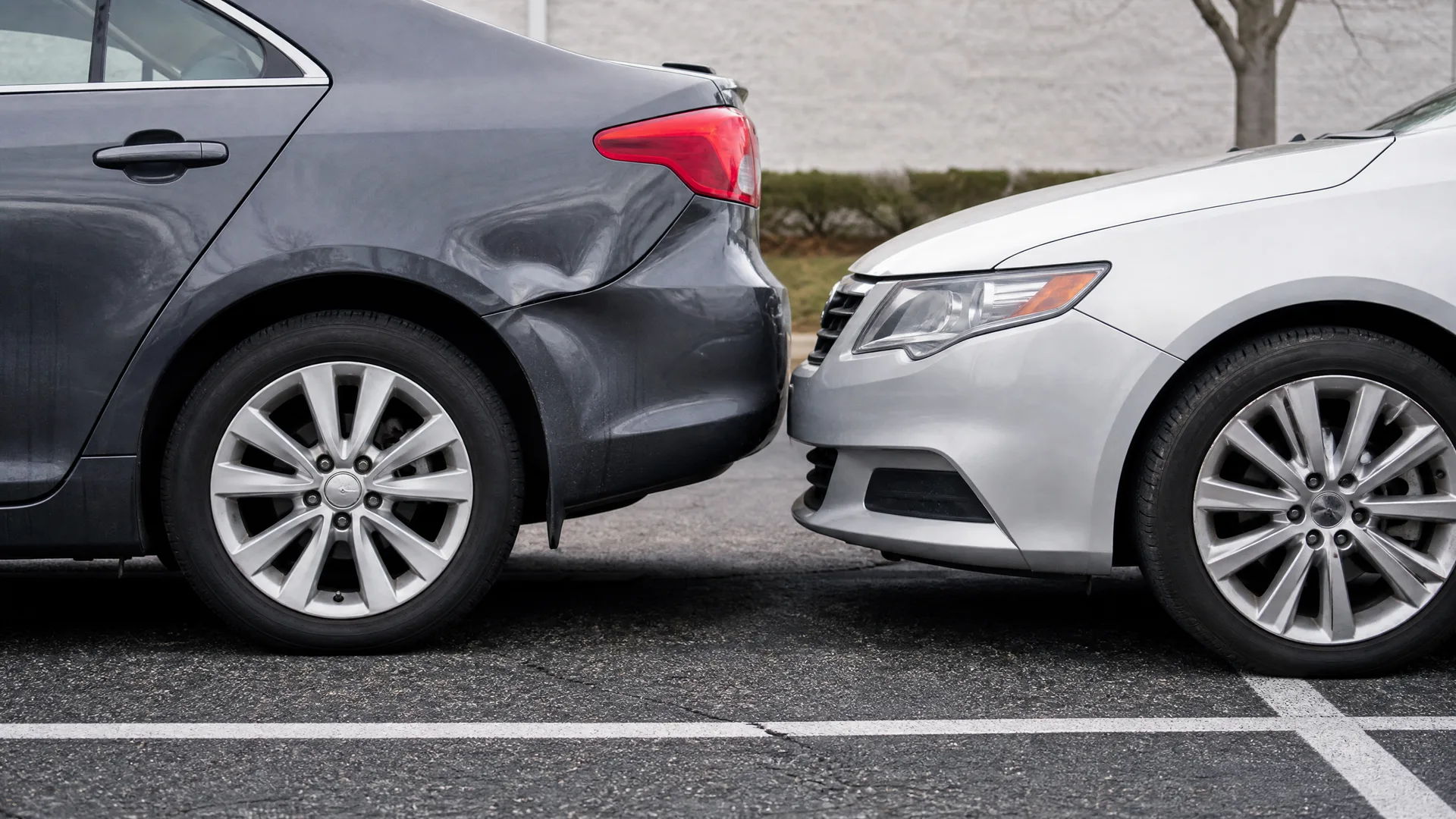
You're pulling out of a church parking lot on a Sunday morning and clip a parked car you didn't see.
This pays for your own vehicle's damage since it's a collision, though your liability coverage handles the other car.
A hailstorm rolls through while your car is parked in your driveway overnight.
This doesn't pay because hail is weather damage, which falls under comprehensive coverage instead.
A deer steps into the road at dusk on a county highway and you can't avoid it.
This doesn't pay either, since hitting an animal is also treated as a comprehensive claim, not a collision.
Once you know whether you want to keep, adjust, or drop this coverage, you're ready to compare quotes that reflect that choice.
Questions people ask about this
Can I drop collision coverage if my car is paid off?
Yes, once there's no loan or lease on the car, the choice is yours. Check what the car is actually worth now, since that number may have dropped a lot since you bought it. Also check how much you drive and whether replacing the car would be a strain, since both affect whether dropping it makes sense.
Does collision coverage cover a rental car after an accident?
Not by itself, rental car coverage is usually a separate add-on to your policy. If you don't have that add-on, check whether your policy offers it, since needing a replacement car while yours is repaired is common. Ask your agent specifically about rental reimbursement if this matters to you.
Will my rates go up after a collision claim?
It depends on your insurer and your driving history, and this varies enough that it's worth asking directly. Some policies offer forgiveness for a first claim after many years of clean driving. Ask your agent or check your policy documents for how claims affect your specific rate.
Is collision coverage required by law?
No state requires collision coverage the way they require liability coverage. Whether it's required for you personally usually comes down to whether a lender requires it while you still owe money on the car. Check your loan or lease agreement, since the requirement typically ends once that's paid off.
What happens if my car is declared a total loss?
The insurer pays you the car's value right before the accident, minus your deductible. That value is based on condition, mileage, and what similar cars are selling for in your area. If you still owe money on the car, that payout goes toward the loan balance first, with any remainder going to you.