Collision Coverage for Seniors in Arizona
Collision coverage pays to repair or replace your car after it hits another vehicle or object, or rolls over, no matter who caused the accident.
What collision coverage pays for
Covers
- Hitting another car If you run into another vehicle, collision pays for your own car's damage regardless of fault.
- Hitting an object A mailbox, a fence, a guardrail or a light pole in a parking lot all count.
- Single car rollovers If you lose control and the car rolls or flips with nothing else involved, it's still covered.
- Potholes and road damage Hitting a deep pothole or a piece of debris that damages the undercarriage falls under collision.
- Hit and run damage to your car If the other driver takes off and can't be identified, collision covers your repairs since there's no one else to pay.
Doesn't cover
- Hitting a deer or animal Animal strikes are typically paid by comprehensive coverage, not collision, since there's no other vehicle involved in the way the policy defines it.
- Hail or storm damage Weather damage while the car is parked or moving falls under comprehensive, a separate line on your policy.
- Theft of the vehicle A stolen car is a comprehensive claim, not a collision one.
- Your own medical bills Collision pays for the car, not people, so your injuries fall under medical payments or health insurance instead.
- The other driver's car If you're at fault, the other driver's repairs come out of your liability coverage, a separate part of your policy.
- Mechanical breakdown A transmission failure or a dead battery isn't a collision event even if it leaves you stranded.
For an older, paid off car with modest value, it often isn't worth the cost
Start with what the car is actually worth today, not what you paid for it years ago. Collision only ever pays up to that value, minus your deductible, no matter how much you've spent keeping it running. If the car is old enough that its value has dropped a great deal, the payout on a total loss may not be much more than the deductible itself.
If the car is paid off and you could comfortably cover a full replacement from savings, you're essentially self insuring already, and dropping collision just means you keep that money instead of a provider. If a surprise repair or replacement would strain your finances, that's a strong reason to keep it even on an older car.
How much you drive matters too. A driver who mostly makes short local trips to church, the store and a few appointments carries less exposure than someone who still drives long distances regularly. Less time on the road means fewer chances to need this coverage at all.
Where the car sits overnight and during the day also plays a role. A car kept in a garage or a quiet driveway faces less risk than one parked on a busy street or in a crowded lot most days. None of this is a fixed rule, it's a question of what you're comfortable risking yourself versus paying to transfer.

How a collision claim actually works
You pay your deductible first, and the provider covers the rest of the repair cost or the car's value, whichever applies. A lower deductible means a smaller out of pocket cost when something happens, but it usually comes with a higher ongoing cost to carry the coverage at all.
After an accident, you report the claim, the car gets inspected or appraised, and you get an estimate for repair or a determination that it's a total loss. If it's repairable, the shop is paid directly in many cases, and you're responsible for the deductible amount. If it's totaled, you're paid the car's value minus your deductible, and the provider takes the vehicle.
Have your policy information, the other driver's information if there is one, and photos of the damage and the scene ready when you report it. A police report helps if one was filed, especially in a hit and run or a dispute over what happened.
The payment covers the vehicle itself, not rental cars, towing or your medical costs unless you carry those as separate coverages on the same policy.
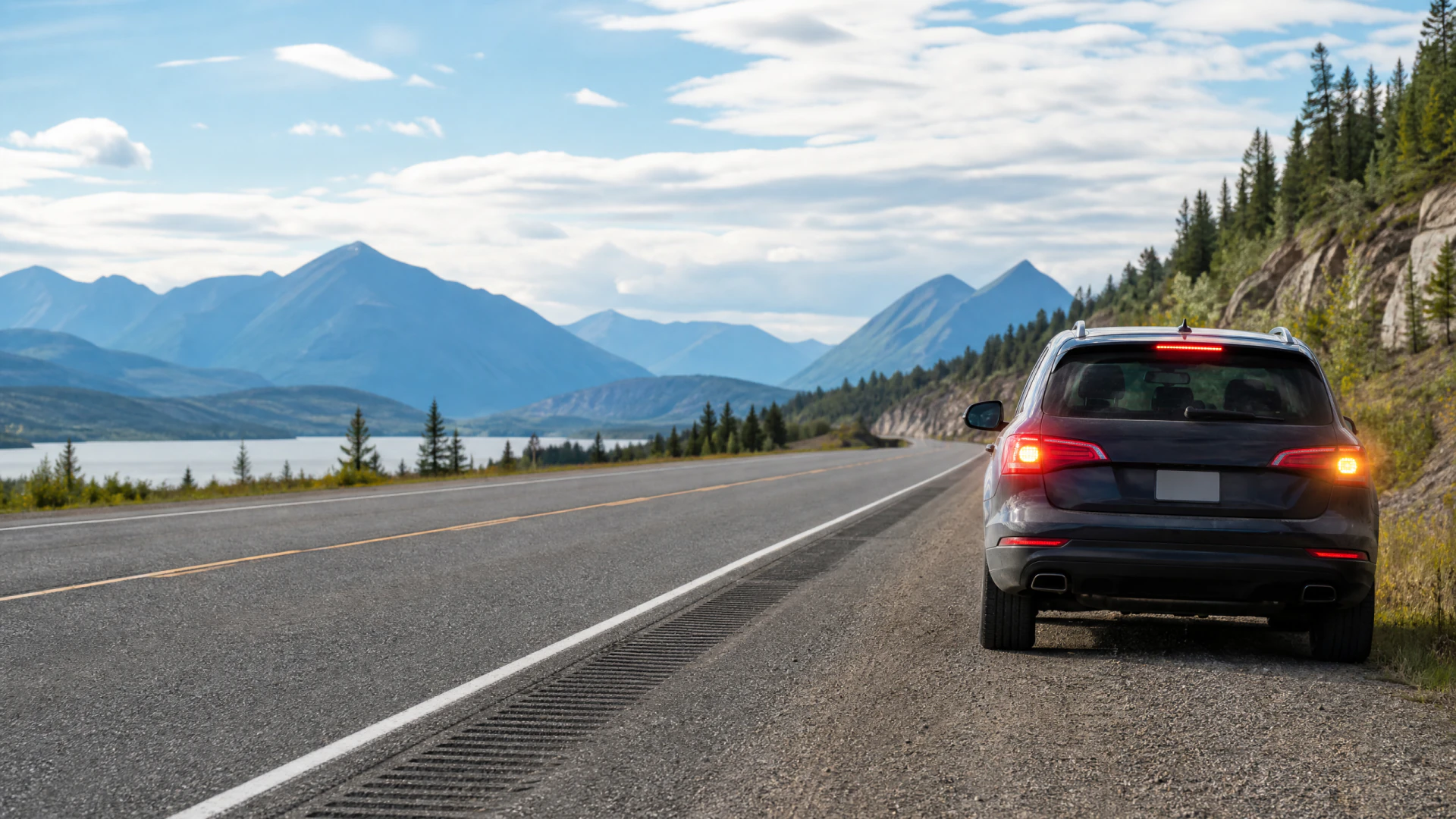
Collision versus comprehensive
Collision coverage
Collision pays for damage from hitting another vehicle or object, or from rolling over, regardless of who's at fault. It's tied to an actual collision event.
Comprehensive coverage
Comprehensive pays for damage that isn't a collision, like animal strikes, weather, theft, fire or vandalism. The two are usually sold as a pair but can be carried separately.
If you drive an older, lower value car but still worry about weather, theft or animal strikes, comprehensive alone without collision is worth asking about.
Real situations
You're backing out of a parking space at a grocery store and clip a concrete pillar, denting the rear quarter panel.
Collision pays for the repair, minus your deductible, since you hit a stationary object.
A hailstorm moves through while your car is parked at church and leaves dents across the hood and roof.
This falls under comprehensive, not collision, since no collision with another object occurred.
A deer runs into the road at dusk on a county highway and you can't avoid hitting it.
Animal strikes are a comprehensive claim, so collision coverage doesn't apply here.
Once you've decided whether to keep, drop or adjust your collision coverage, you can compare quotes built around that choice.
Questions people ask about this
What is the right deductible for collision coverage at my age?
The right deductible depends on how much you could comfortably pay out of pocket if you needed to file a claim tomorrow. A higher deductible lowers your ongoing cost but means a bigger bill at claim time. Check what you'd actually have available in savings before choosing.
Does collision coverage follow me in a rental car?
This varies by policy and provider, so check your own documents or ask directly. Some policies extend collision coverage to rental cars under certain conditions, others don't. It's worth confirming before you rely on it while traveling.
Can I drop collision coverage but keep comprehensive?
Yes, in most cases these are separate coverages you can carry independently. Some lenders require both while a car is financed, but once it's paid off, you typically have the choice. Review your policy to see how they're currently set up.
Does my credit or driving record affect collision coverage cost?
This varies by provider and by state, so check with your own policy or provider directly. Driving history, how the car is used and where it's kept are commonly considered factors. Ask what specifically affects your rate.
What happens to collision coverage if I stop driving regularly?
Your policy doesn't change automatically just because you drive less, so you'll need to update it yourself. Tell your provider if your driving has dropped significantly, since it may affect what coverage makes sense. Some policies have different options for infrequently driven cars.