Collision Coverage for Seniors in Alabama
Collision coverage pays to repair or replace your car after it hits, or is hit by, another vehicle or object, no matter who caused it.
What this coverage pays for
Covers
- Hitting another car If you cause a crash, this pays to fix your own car regardless of fault.
- Hitting an object A mailbox, a guardrail, a parked car in a lot, a fence, a tree, all count if your car is the one that hit it.
- Single car accidents Sliding off the road, rolling into a ditch, or misjudging a curb is covered even with no other vehicle involved.
- Potholes and road damage Serious impact damage from a bad pothole or a piece of debris in the road is treated the same as any other collision.
- A rental after your accident If your policy includes it, the rental car you drive while yours is repaired can carry the same collision protection.
Doesn't cover
- Theft of your car That falls under comprehensive coverage, not collision.
- Hail or storm damage Weather damage with no impact from another vehicle is also comprehensive, not collision.
- Hitting a deer Animal strikes are almost always paid under comprehensive even though it feels like a collision.
- Your medical bills Injuries from the crash are handled by medical payments coverage or personal injury protection, not this.
- The other driver's car That's your liability coverage paying for damage you caused to someone else's vehicle.
- Normal wear and mechanical failure A worn brake line or a failed transmission isn't a collision, so it isn't covered here.
For a lot of older drivers, this coverage costs more than it's worth
The math on this one is really about the car, not your age. If your car is paid off and worth a modest amount, the most this coverage will ever pay you is that modest amount, minus your deductible. At some point the yearly cost of carrying it gets close to what the car itself is worth, and that's the signal to look hard at dropping it.
If you could cover a full repair or replacement out of savings without it changing your life, that's another sign you may be carrying coverage you don't need. The entire purpose of insurance is protecting you from a loss you can't absorb on your own. If this one wouldn't be a hardship, you're paying to protect yourself from something you could already handle.
How much you drive matters too. Many drivers this age are on the road less than they used to be, fewer commutes, fewer long trips, more errands close to home. Less driving means fewer miles of exposure to the kind of accident this coverage responds to, which shifts the math further toward dropping it on an older, lower value car.
Where the car spends its time counts as well. A car that sits in a garage most days and only goes out occasionally has less risk than one parked on the street or driven on busy roads daily. None of this is a rule, it's just the set of questions worth answering honestly before you decide either way.
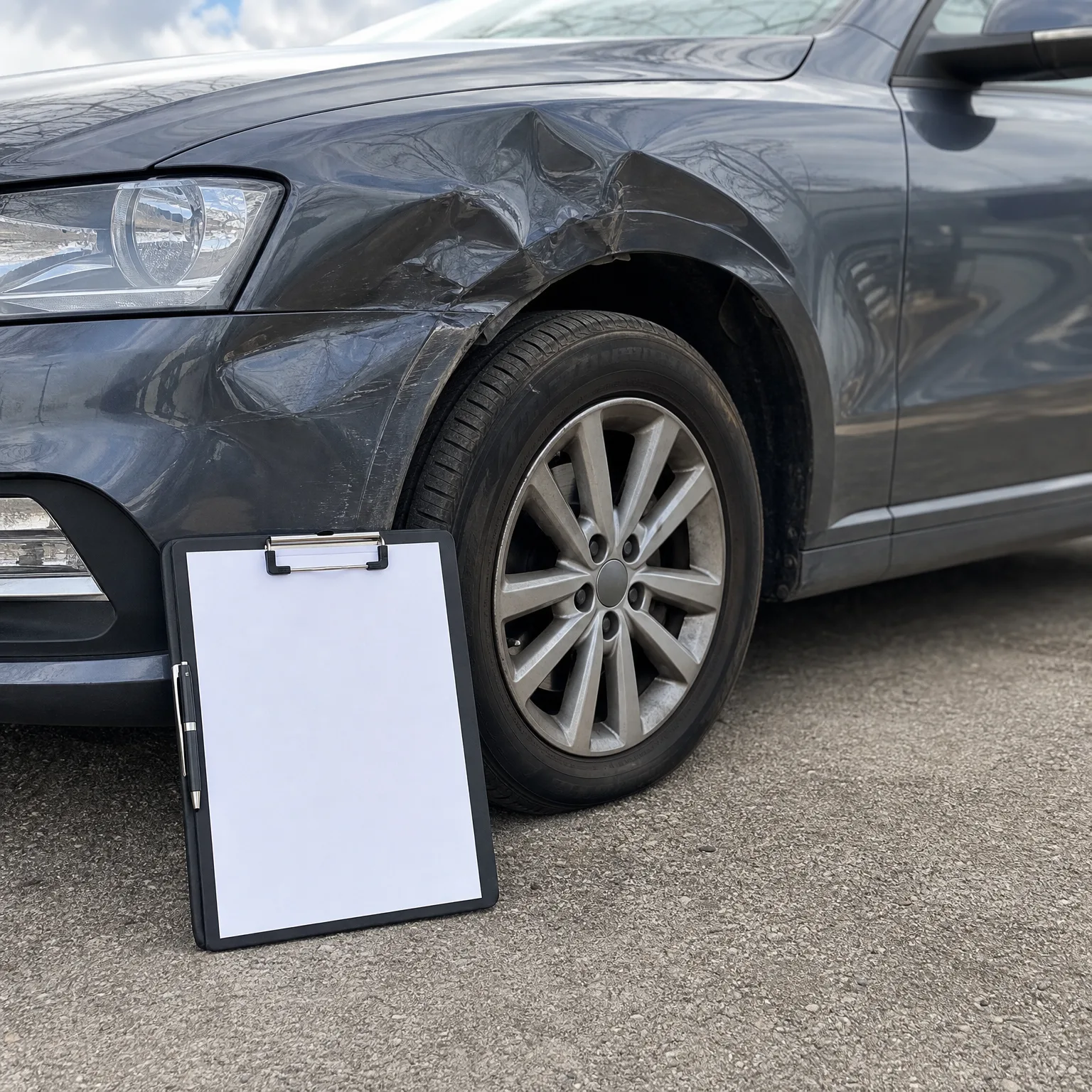
What actually happens when you use it
You pay a deductible first, and the coverage pays the rest of the covered repair cost up to your car's value. You choose that deductible amount when you set up the policy, and a higher deductible usually means a lower premium, so it's worth checking what yours is actually set to right now.
After an accident you report the claim, an adjuster looks at the damage or reviews an estimate from a repair shop, and a payment amount gets set based on repair cost or your car's value if it's totaled. If repair costs more than the car is worth, the insurer will typically total it and pay you the car's value instead of fixing it.
Have your policy details, photos of the damage, and a police report if one was filed ready when you call. A repair estimate from a shop you trust helps too, especially if you want to compare it against what the adjuster comes back with.
If the car is totaled, the payment goes to you or to the lender if there's still a loan on it. Either way, the payment reflects what the car was worth right before the accident, not what it would cost to buy a similar one today.
Collision coverage versus comprehensive coverage
Collision Coverage
This pays for damage from hitting another car or object, or from your car overturning. It applies whether or not anyone else was involved, as long as impact caused the damage.
Comprehensive Coverage
This pays for damage that isn't from a crash, like theft, fire, hail, flooding, vandalism, or hitting an animal. The two are often sold together but they answer completely different kinds of losses.
If your car is old and worth little, the same reasoning that leads you to question collision usually applies to comprehensive too, so it's worth reviewing both together rather than one at a time.
Real situations
You're driving home at dusk on a county road and a deer runs into your path, and you can't stop in time.
This doesn't pay, a deer strike falls under comprehensive coverage instead.
You back out of a parking space at the pharmacy and clip a concrete post you didn't see.
This pays, hitting a fixed object is exactly what collision covers.
Another driver runs a stop sign and hits the side of your car at an intersection.
This pays for your car's damage regardless of fault, though the other driver's insurance may also owe you.

Once you know whether you want to keep, adjust, or drop this coverage, you're ready to compare quotes built around that choice.
Questions people ask about this
Can I drop collision coverage if my car is paid off?
Yes, once there's no loan or lease requiring it, the decision is entirely yours. Lenders require this coverage to protect their investment in the car, not to protect you. Once that requirement is gone, it comes down to whether the car's value still justifies the cost of carrying it.
Does collision coverage cover a windshield crack?
Usually not, a cracked windshield from a rock or debris is typically a comprehensive claim instead. Collision applies when impact from a crash causes the damage. Check your policy, since some comprehensive coverage handles glass with different terms than other claims.
What happens if my car is declared a total loss?
The insurer pays you the car's value right before the accident, minus your deductible. That payment goes to your lender first if you still owe money on the car. Any amount left over after that comes to you, and you can put it toward another vehicle or anything else.
Will my rates go up after a collision claim?
It's common for a claim where you were at fault to raise your rate at renewal. A claim where another driver was clearly at fault often has less effect, since insurers weigh fault heavily. How much it changes, and for how long, varies by insurer and by your full driving history.
Do I need collision coverage on a car I rarely drive?
Not necessarily, a car driven only occasionally still carries some risk, but less of it. Weigh how often it's on the road, where it's parked the rest of the time, and what it's actually worth. A low value car driven rarely is one of the clearer cases for dropping this coverage.