Collision Coverage for Hitting a Mailbox or Fence
Collision coverage pays to repair or replace your car when it hits a stationary object like a mailbox, fence, or garage, regardless of who's at fault.
What this coverage pays for
Covers
- Hitting a fence or mailbox Repairs the damage to your car from backing into a mailbox, clipping a fence post, or misjudging a driveway.
- Hitting a parked car Covers your car's damage even if you were the one who caused it.
- Hitting a pole or guardrail Pays for your car's repairs after contact with a light pole, guardrail, or similar fixed structure.
- Single car rollover Covers your car if you lose control and roll it without hitting another vehicle.
- Pothole or curb damage Pays for damage from hitting a curb, pothole, or median, since that counts as a collision too.
- Hit and run by another car Steps in to cover your car's damage when the other driver can't be identified or located.
Doesn't cover
- The mailbox or fence itself That damage belongs to the property owner's homeowners policy or your liability coverage, not this one.
- Hail or storm damage Weather damage falls under comprehensive coverage, which is a separate line on your policy.
- Hitting a deer Animal strikes are handled by comprehensive coverage even though it feels like a collision.
- Mechanical breakdown A transmission or engine failure isn't an accident, so it isn't covered here or anywhere on an auto policy.
- Medical bills from the crash Your own injuries are handled by medical payments or personal injury protection, and the other driver's by your liability coverage.
- A rental car while yours is fixed That needs separate rental reimbursement coverage, which isn't automatic.
Worth it if your car still has real value and you'd rather not pay for repairs yourself
The math here comes down to what your car is worth against what you'd pay out of pocket if you didn't have this coverage. If the car is older and worth a modest amount, the payout after your deductible may not be much more than you'd spend fixing a dent yourself.
Whether the car is paid off matters less than people think. Lenders require this coverage while there's a loan, but once it's paid off, the decision is entirely yours. At that point it's really a question of what you can absorb from savings without disrupting your life.
How much you drive and where the car sits overnight both change the odds you'll ever use this. A car that mostly sits in a garage and only goes to church and the grocery store carries less collision risk than one driven daily on unfamiliar roads or in heavy traffic.
Some people keep this coverage for peace of mind even when the math says drop it, and that's a reasonable choice too. The honest answer is that there's no single right call, only one that fits your car, your driving, and what you'd rather risk.
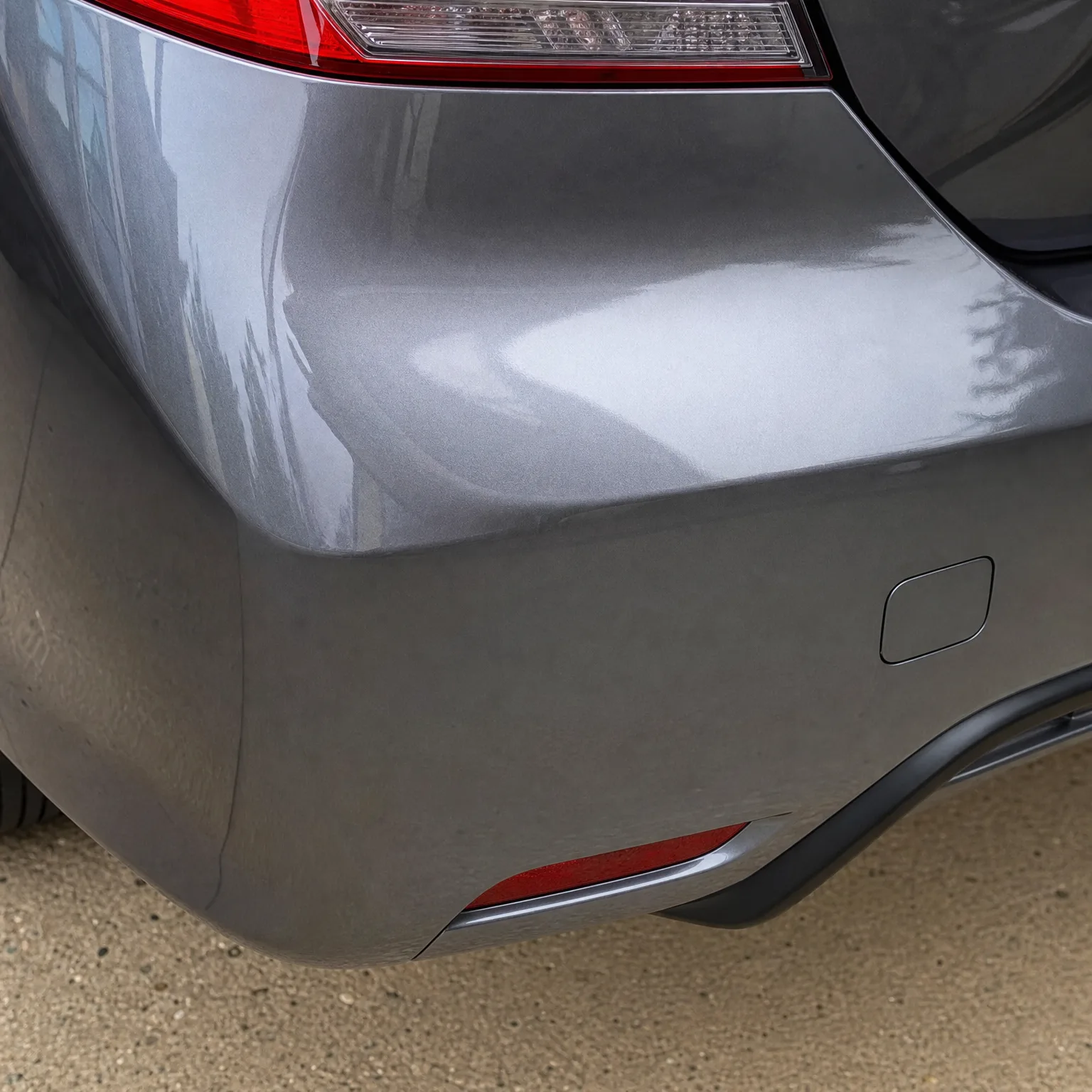
How a claim actually goes
You pay your deductible first, and the insurer covers the rest of the repair cost up to what your car is worth. If the repair would cost more than the car's value, the insurer will usually total it out and pay you that value instead, minus your deductible.
A typical claim starts with a call to your insurer, who will likely send someone to look at the damage or ask for photos. You don't need a police report for something like a mailbox or fence unless your state requires one for property damage over a certain threshold, which varies, so check your policy or ask your agent.
Have your policy number, the date and location of the incident, and photos of the damage ready when you call. If the fence or mailbox belongs to someone else, you'll also want their information so your insurer can coordinate the property damage claim separately.
The payment covers your car's repair or value, not the other person's property, and not any injuries. Those go through different parts of your policy, so a single incident can sometimes involve more than one claim running at the same time.
Collision versus comprehensive
Collision Coverage
This pays for damage to your car from hitting something, whether it's a mailbox, another car, or a guardrail. It applies regardless of who caused the accident.
Comprehensive Coverage
This pays for damage that isn't from a collision, like hail, fire, theft, or hitting a deer. It's the coverage for things that happen to your car rather than things you hit.
If you're deciding whether to keep one but not the other, think about whether your bigger risk is backing into things or losing your car to weather, theft, or animals.
Real situations
You're backing out of a tight parking spot at the pharmacy and clip a concrete post you didn't see.
This coverage pays for your car's damage after your deductible, since a post counts as a collision.
A hailstorm hits while your car is parked at church and dents the hood and roof.
This doesn't pay. Hail is a comprehensive claim, not a collision claim.
You misjudge the driveway at your daughter's house and knock down part of her fence.
This pays for your car's damage, but the fence itself would go through your liability coverage or her homeowners policy.
Once you know whether you want to keep, add, or drop this coverage, you can compare quotes with that decision already settled.
Questions people ask about this
Does collision coverage go up after a claim?
It can, since insurers often weigh at-fault claims when setting rates at renewal. How much depends on your overall driving history and how your insurer handles a single claim. Ask your agent before filing if the repair cost is close to your deductible, since it may not be worth the trade-off.
Can I drop collision coverage on an old car?
Yes, once the car is paid off, you're free to drop it if you're willing to cover repairs yourself. Many people do this once a car's value drops low enough that the potential payout feels small. Check what your car is actually worth now rather than what you paid for it.
Does collision coverage cover a rental car I'm driving?
Often yes, but it depends on your policy, so check before you assume. Many policies extend your own collision coverage to a rental car you're driving temporarily. Confirm this with your insurer before you decline the rental company's own coverage.
What's the difference between collision and liability coverage?
Liability covers damage you cause to someone else's car or property, while collision covers your own car. They work together after an at-fault accident, with liability paying their side and collision paying yours. Liability is required almost everywhere, while collision is usually optional once a car is paid off.
Will collision coverage pay if I hit my own garage?
Yes, this coverage applies even when the object you hit is your own property. It doesn't matter whether the fence, post, or garage belongs to you or someone else. What matters is that your car was damaged in a collision with a fixed object.