Collision Coverage for Hitting a Curb
Collision coverage pays to repair or replace your car when it hits something, including a curb, regardless of who's at fault.
What this coverage pays for
Covers
- Curb strikes and scrapes Bent rims, torn-up bumpers, and suspension damage from hitting a curb are covered under collision.
- Single car accidents If you run off the road, hit a mailbox, or roll into a ditch, this is the coverage that pays.
- Collisions with other vehicles It covers your car's damage no matter who caused the crash, separate from whatever liability sorts out.
- Hitting a fixed object Fences, garage doors, light poles, and parking barriers all fall under this coverage when your car does the hitting.
- Rental car while yours is repaired Some policies extend a version of this coverage to a rental you're using after a covered collision, so check your declarations page.
Doesn't cover
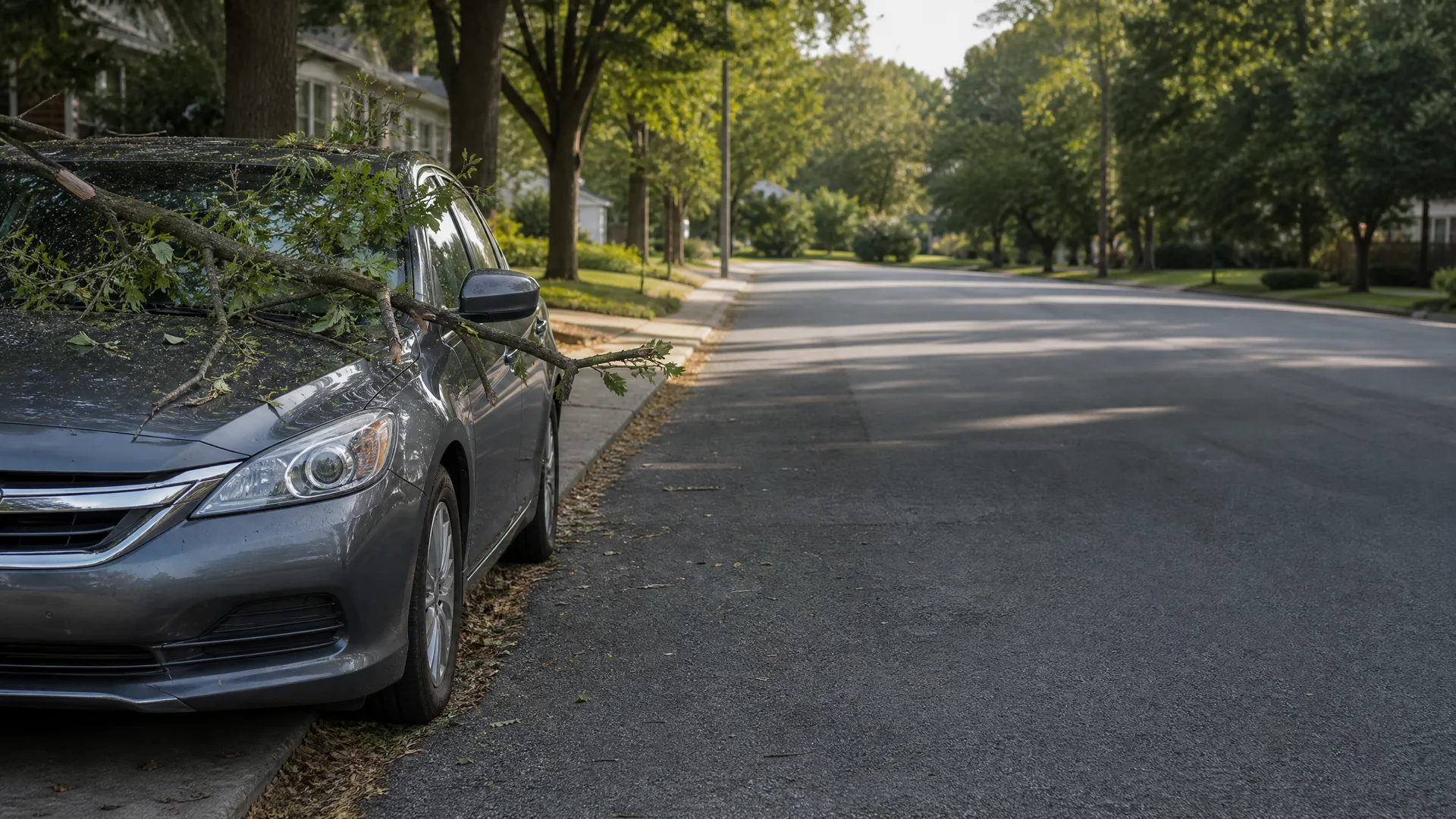
- Weather and falling objects Hail, flooding, and tree limbs falling on a parked car fall under comprehensive coverage, not this one.
- Theft of the vehicle A stolen car is a comprehensive claim, since nothing collided with anything.
- Mechanical breakdown A transmission failure or a dead battery isn't a collision and isn't covered here at all.
- Injuries to you or passengers Medical costs are handled by medical payments coverage, personal injury protection, or health insurance, depending on your state.
- Damage you cause to someone else's property That's what liability coverage pays, not this one, which only pays for your own car.
For a lot of older drivers, this coverage stops earning its keep
The math on this one comes down to what your car is worth. If you're driving a paid-off car that's older and modestly valued, the most this coverage will ever pay you is that car's value, and that number keeps shrinking every year while what you pay for the coverage doesn't shrink nearly as fast.
It also comes down to what you could absorb yourself. If a bent rim or a crumpled bumper is something your savings could handle without changing your month, you're essentially paying to avoid a bill you could write anyway. If a surprise repair that size would be a real problem, that's the case for keeping this coverage regardless of the car's age.
How much and where you drive matters too. Someone who's cut back on driving, who mostly goes to church, the pharmacy, and a grandchild's house a few miles away, is a different risk than someone still commuting daily on fast roads. Less driving means fewer chances to need this coverage at all.
Where the car sits overnight plays a role as well. A car in a garage every night is less exposed than one parked on a street or in an open lot, though this factor matters more for comprehensive claims than for collision ones, since curb strikes mostly happen while you're driving, not while you're parked.
What happens when you file a claim
You pay your deductible first, and the insurer covers the repair cost above that amount, up to what your car is worth. If the repair would cost more than the car is worth, the insurer instead pays you the car's value and the vehicle may be declared a total loss.
After a curb strike, you'll typically get the car inspected, either at a shop of your choosing or one the insurer recommends. Damage from hitting a curb often hides more than it shows, since a bent rim or suspension component can look minor but cost real money to set right, so a thorough inspection matters.
Have your policy information, a description of what happened, and photos of the damage ready when you call. If the car is still drivable, you can usually keep using it while repairs are scheduled, but if the damage affects steering or alignment, get it looked at before you drive it again.
Your premium may go up at renewal after a claim, which is part of why some drivers choose to pay smaller repairs out of pocket instead of filing.
Collision versus comprehensive
Collision coverage
This pays for damage from hitting something, whether that's a curb, another car, or a fixed object. It applies regardless of fault.
Comprehensive coverage
This pays for damage that isn't a collision, like hail, a cracked windshield from a rock, a fallen branch, or a stolen car. The two are sold separately but often bought together.
If your car is old enough that you're questioning collision, ask the same question about comprehensive, since the same value math applies to both.
Real situations
You misjudge a turn into a parking lot and scrape your front wheel hard against the curb, bending the rim.
This pays for the rim and any related damage, minus your deductible.
A hailstorm hits while your car is parked in the lot during a church service.
This coverage doesn't pay for hail, that's a comprehensive claim instead.
A deer crosses a county road at dusk and you swerve, running the car into a ditch and denting the side panel.
This pays for the ditch damage since it's a single car collision, even though the deer triggered it.
Once you know whether you're keeping, adjusting, or dropping this coverage, you can compare quotes with that decision already settled.
Questions people ask about this
What happens if I total my car with collision coverage?
The insurer pays you the car's value at the time of the loss, minus your deductible, rather than paying for repairs. That value is based on comparable cars in your area, not what you originally paid or what you feel the car is worth. You can typically keep the wrecked car yourself for a reduced payout, if you'd rather do that than hand it over.
Does collision coverage follow the car or the driver?
It follows the car, since the policy is tied to the vehicle listed on it. If you lend your car to someone and they hit a curb, your coverage is what responds, not theirs. If you're driving a car you don't own, check whether you have any coverage extended to you, since it often depends on the specific policy.
Can I add collision coverage back after dropping it?
Yes, you can usually add it back at any renewal or by contacting your insurer directly. There may be a brief gap where the car isn't covered for a collision loss if you drop it and then change your mind, so time the change carefully if you're still deciding. Some insurers may also inspect the car before adding coverage back on an older vehicle.
Does my credit or driving record affect this coverage's cost?
Your driving record plays a direct role, since past accidents and claims factor into what you're charged. Credit history is used by some insurers in some states as one factor among several, though this varies and you can ask your insurer directly how it's weighed for you. Age itself is a factor too, and it can cut either way depending on your specific driving history.
Is collision coverage required by law?
No state requires collision coverage by law, since legal requirements focus on liability for the other driver. A lender may require it if you're still financing or leasing the car, as a condition of the loan rather than a legal mandate. Once the car is paid off, that requirement disappears and the decision is entirely yours.