Collision Coverage for a Rollover
Collision coverage pays to repair or replace your car if it rolls over, no matter who caused it or whether any other vehicle was involved.
What it pays for
Covers
- Rollover on any surface Whether your car flips on pavement, gravel, or grass off the road, this coverage treats it the same as any other collision.
- Single car accidents You don't need another driver at fault. Losing control and rolling the car by yourself is still covered.
- Repair costs up to the car's value The payment covers what it takes to fix the car, as long as that cost doesn't exceed what the car is worth.
- Total loss payout If the car is too damaged to fix, you're paid the car's current value instead of repair costs.
- Rental car gap during repair If you added rental reimbursement to your policy, it pays separately while your car is in the shop.
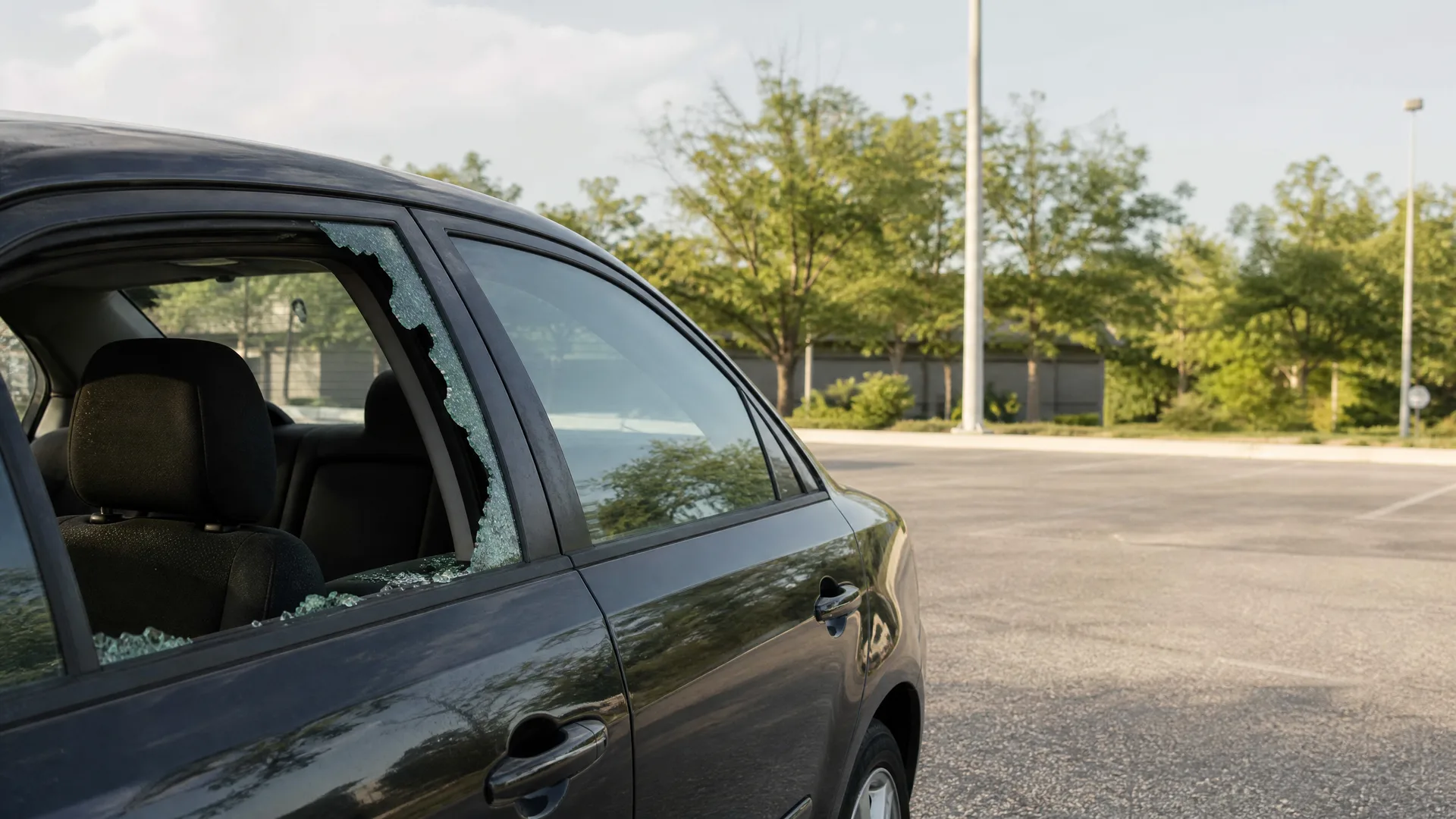
- Damage from the flip itself Dents, a crushed roof, broken glass and frame damage from the rollover are all part of the same claim.
Doesn't cover
- Medical bills Your own injuries are handled by health insurance or personal injury protection if your state offers it, not by this coverage.
- The other driver's car If another car is involved and you're at fault, your liability coverage pays for their vehicle, not this one.
- Mechanical breakdown If the rollover happened because of a mechanical failure, the crash damage is covered but the failed part itself usually isn't.
- Belongings inside the car Personal items like a phone, glasses or groceries aren't covered here. That falls under homeowners or renters coverage if anywhere.
- Diminished value after repair Even a well repaired car can be worth less afterward, and this coverage doesn't make up that difference.
For most older drivers with an older car, it's not worth the cost
Start with what the car is worth. If you own it outright and it's worth little on paper, the most this coverage will ever pay you is that number, minus your deductible. Many drivers end up paying more in premium over several years than they'd ever collect in a claim.
If the car is paid off, nobody is requiring you to carry this. Lenders require it while you have a loan, but once that loan is gone, it becomes entirely your choice.
Think about how much of a loss you could absorb yourself. If losing the car tomorrow and paying out of pocket for a replacement wouldn't put real strain on your finances, this coverage is protecting you against something you can already handle.
How much you drive and where the car sits matter too. A car driven rarely, parked in a garage, and used mostly for short trips close to home carries less rollover risk than one driven daily on highways or in bad weather. Less driving generally means less reason to pay for this.
How a claim actually goes
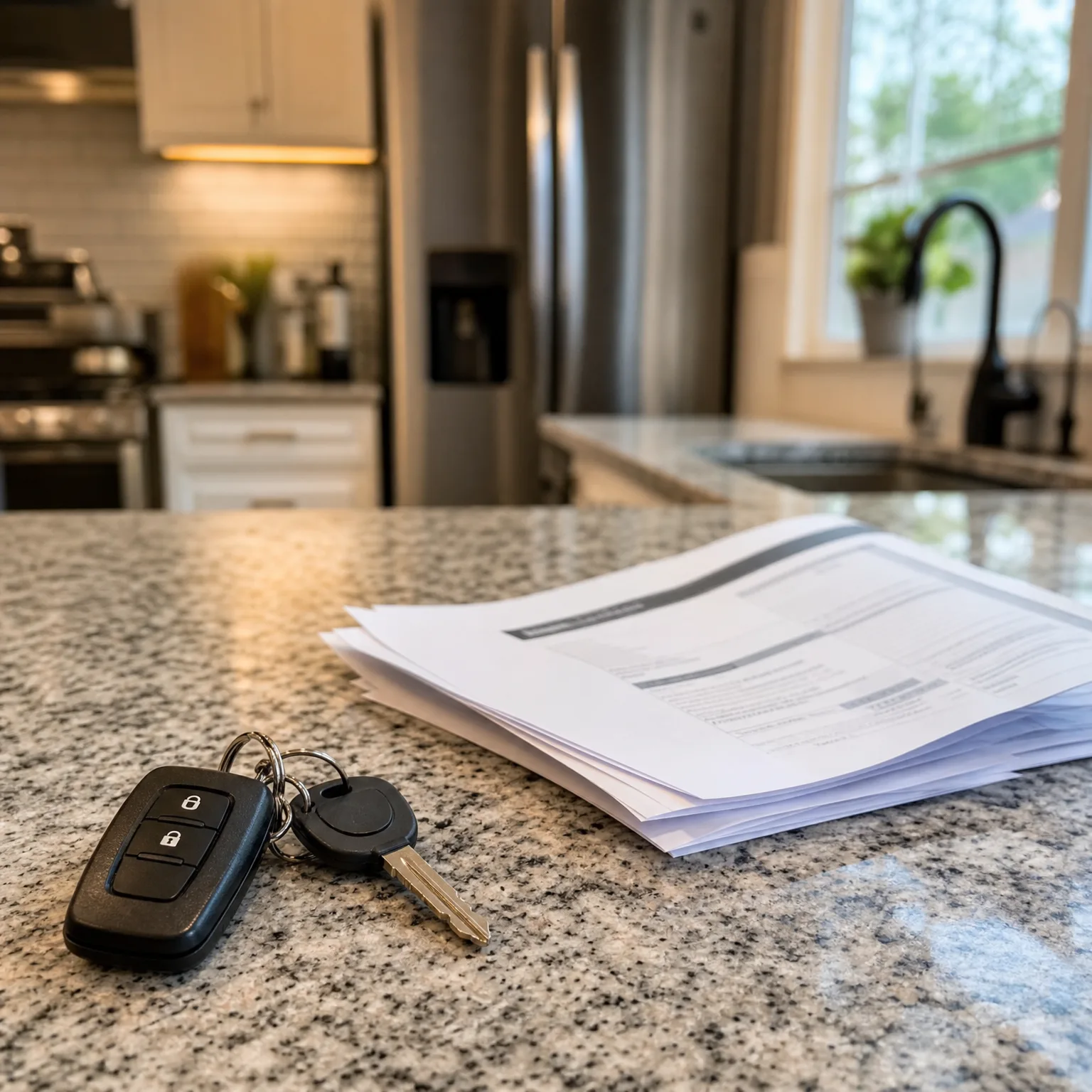
You pay your deductible first, and the coverage picks up the rest up to the car's value. If repairs cost more than the car is worth, the car is declared a total loss and you're paid its value instead, minus the deductible.
After a rollover, call your insurer and get an adjuster assigned. The car will likely need to be towed, and the adjuster will inspect it either at a repair shop or a storage yard. Photos of the scene, if you have any, help move things along.
Have your policy number, a description of what happened, and the location of the car ready when you call. If anyone else was involved, their information matters too, even in a single car accident where no one else was hurt.
The payment covers the car itself. It won't cover a rental car unless you added that separately, and it won't cover anything you were carrying in the car at the time.
Collision coverage vs. comprehensive coverage
Collision coverage
This pays for damage from hitting something or rolling over, regardless of fault. A rollover, a guardrail, another car, all fall under this coverage.
Comprehensive coverage
This pays for damage that isn't a collision at all, like hail, a fallen tree branch, a deer strike, or theft. If the car didn't crash into anything, this is usually the one that applies.
If your rollover started with hitting a deer or swerving to avoid one, you may need both coverages working together, so it's worth checking how your policy defines the sequence of events.
Real situations
You're driving home from a grandchild's game on a rural road and hit a patch of ice, sliding off and rolling into a ditch.
This pays for the rollover damage, minus your deductible, since no other vehicle was involved.
A hailstorm hits while your car is parked outside church and dents the roof and hood badly enough to total it.
This doesn't pay. Hail is weather damage with no rollover or collision involved, so it falls under comprehensive coverage instead.
You swerve to avoid a deer at dusk on a county road and the car flips before hitting anything else.
This pays, since the rollover itself is a collision event even though a deer triggered it.

Once you've decided whether to keep, drop, or adjust this coverage, you can compare quotes with that choice already settled.
Questions people ask about this
Can I drop collision coverage on a car I still owe money on?
Usually not, no. Lenders typically require you to carry collision coverage for as long as there's a loan on the car. Once the loan is paid off, the choice becomes yours. Check your loan agreement or ask your lender directly if you're unsure whether it still applies.
Does my deductible change if the car rolls over versus a regular crash?
No, the deductible is the same regardless of how the collision happened. Your policy sets one collision deductible that applies to any collision claim, whether it's a rollover, a parking lot bump, or hitting a guardrail. Check your declarations page to see the amount you chose.
Will my rates go up after a rollover claim?
It depends on your insurer and your overall driving history, and this can vary by state in terms of what rules apply. A single at fault claim after years of no claims often has a smaller impact than one following other recent claims. Ask your agent directly how this particular claim is likely to affect your renewal.
What happens if the car was already old and barely worth anything?
You'll be paid the car's actual value at the time of the rollover, not what you originally paid for it or what it would cost to replace with something similar. This is exactly why this coverage matters less as a car ages. Check what your car is currently worth before deciding whether to keep paying for this coverage.
Is a rollover treated differently if I was partly at fault?
No, fault doesn't change whether this coverage pays, since it responds regardless of who caused the accident. Fault can matter for other things, like whether another driver's insurance also gets involved. Check with your insurer if there's any question about shared responsibility in the accident.