Collision Coverage After a Spouse Dies
Collision coverage pays to repair or replace your car when it's damaged in a crash, regardless of who caused it, and the decision to keep it often needs a fresh look after a spouse dies.
What collision coverage pays for
Covers
- Collision with another car If you hit another vehicle or it hits you, this pays to fix your car no matter who's at fault.
- Hitting a fixed object A mailbox, a guardrail, a light pole, your own garage door. If your car hit it, this covers the damage.
- Single car rollovers If you lose control and the car flips or leaves the road on its own, that's still a collision claim.
- Potholes and road damage Hitting a pothole hard enough to damage the car's body or undercarriage falls under this coverage.
- Damage regardless of fault Even if the accident was entirely your doing, this still pays, which is the main reason people carry it.
Doesn't cover
- Hail, theft or a deer strike Those fall under comprehensive coverage instead, since nothing involving your car's own motion caused the damage.
- Medical bills from the crash Injuries to you or your passengers are handled by medical payments coverage or health insurance, not this one.
- The other driver's car Their vehicle is covered by your liability coverage, which is a separate line on your policy.
- Normal wear or mechanical failure A transmission that fails or brakes that wear out aren't collision damage, even if they lead to an accident.
- The full value of an old car Payment is based on what the car is worth right now, which may be far less than what you paid for it years ago.
For a lot of older drivers, this coverage is no longer worth what it costs
The math on collision coverage changes as a car ages and as the person driving it changes along with their circumstances. The first question is simple: what is the car actually worth, and would that payout matter to you. If the car is older and worth a modest amount, the most this coverage could ever pay is capped at that value, no matter what repairs actually cost.
Whether the car is paid off matters too. A lender usually requires this coverage as long as there's a loan against the car. Once it's paid off, that requirement disappears, and the choice becomes entirely yours.
The next question is whether you could cover a bad accident yourself. If a totaled car wouldn't change your finances in any serious way, you're essentially paying a premium every year to avoid a loss you could absorb without much trouble. That calculation looks different for someone who drives often on busy roads than for someone who mostly makes short trips to familiar places.
After a spouse dies, it's also worth asking whether the household now has one car instead of two, and whether that car sits in a garage most of the week. Less driving and safer storage both lower the odds this coverage ever gets used, which is worth weighing against what it costs to keep.
How a collision claim actually works
You choose a deductible when you set up this coverage, and that amount comes out of whatever the claim pays. A higher deductible lowers what you pay for the coverage but means more comes out of your pocket before the payment kicks in.
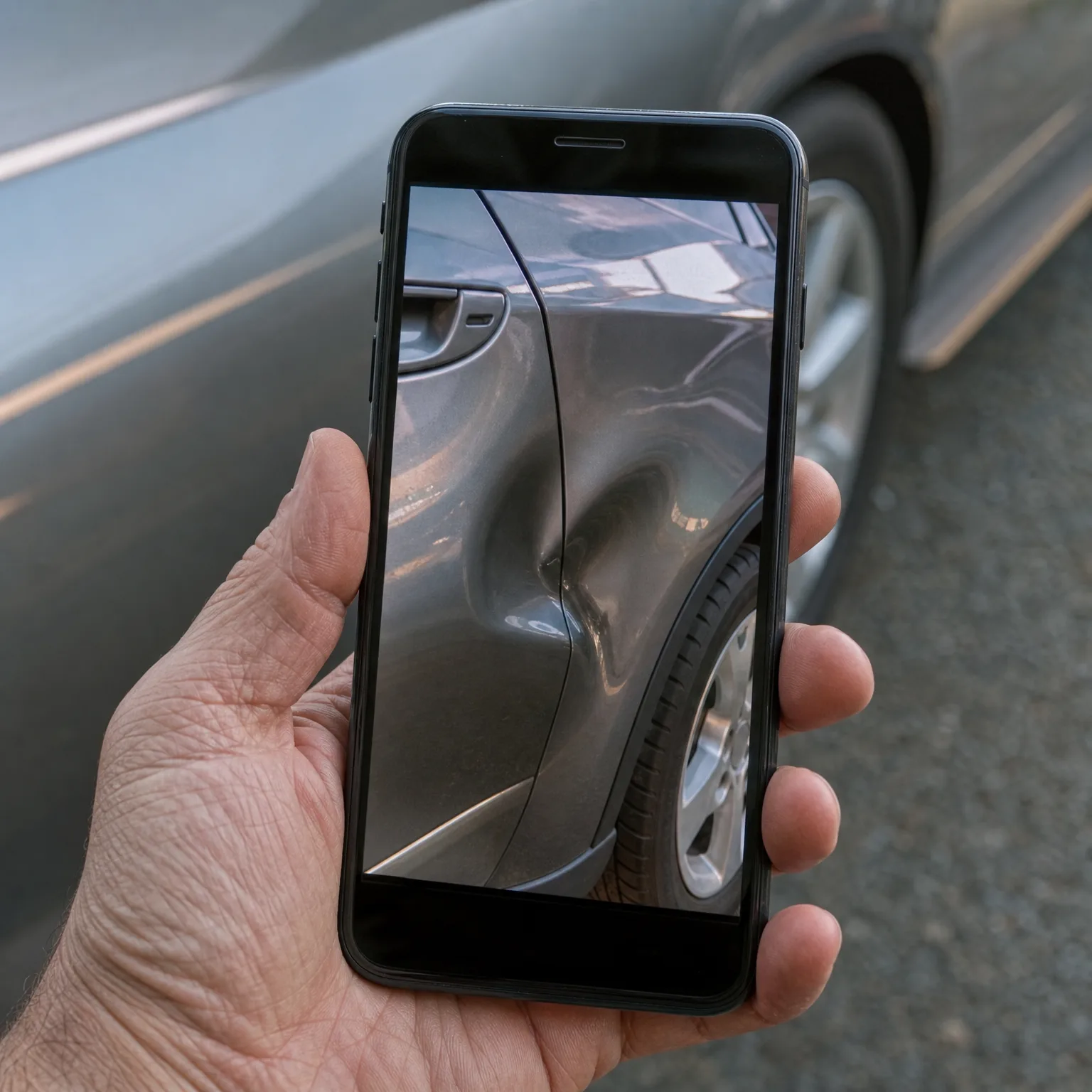
After an accident, you report the claim, the insurer sends someone to look at the damage or asks for photos, and they either approve repairs or declare the car a total loss. A total loss happens when repairs would cost more than the car is worth, and in that case you're paid the car's value instead of getting it fixed.
The payment covers the car itself, not anything inside it like a phone or glasses, and not time spent arranging alternate transportation unless you've added separate coverage for that. Have your policy number, the other driver's information if there was one, and photos of the damage ready when you call.
If the car was paid off and the payout is modest, it's worth deciding ahead of time whether you'd replace the car or simply take the money and go without one. That's a conversation worth having before an accident, not during the stress of one.
Collision coverage compared to comprehensive coverage
Collision Coverage
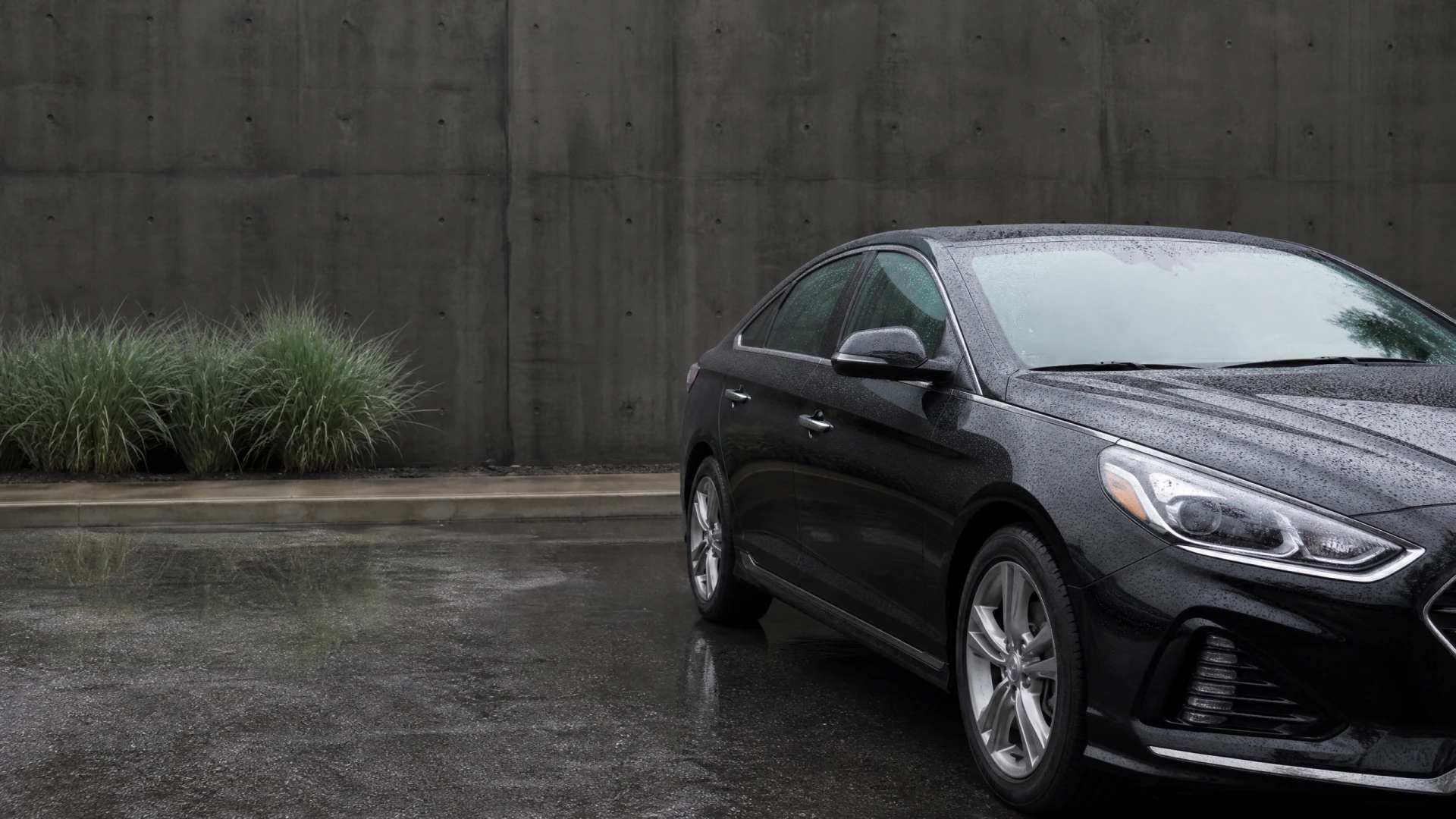
This pays for damage from a crash, whether you hit something or something hit you. Fault doesn't matter. It only applies when the car itself was in motion and collided with something.
Comprehensive Coverage
This pays for damage that isn't caused by a crash, like hail, a fallen tree branch, theft, or an animal running into your path. It's often sold alongside collision coverage but priced and decided separately.
Drivers who want to drop collision because their car is worth little often keep comprehensive anyway, since weather and animal strikes can happen regardless of the car's age.
Real situations
You're pulling out of a church parking lot after a service and clip a parked car you didn't see in your mirror.
This pays for the damage to both cars, since collision coverage applies no matter who's at fault.
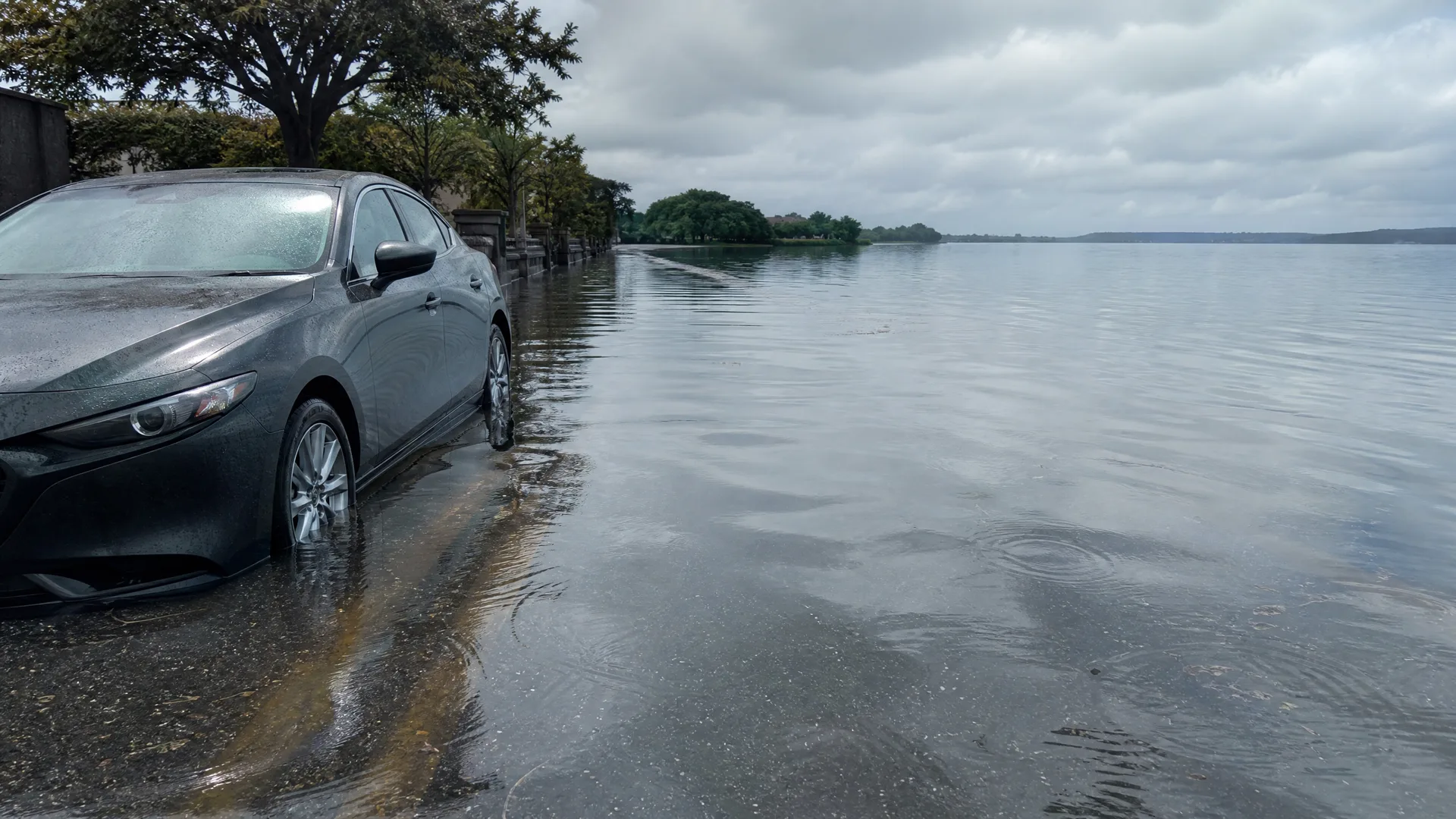
A hailstorm moves through while your car sits in the driveway overnight and dents the hood and roof.
This doesn't pay. Hail is handled by comprehensive coverage, not collision, since the car never moved.
A deer steps into the road at dusk on a county highway and you can't stop in time.
This doesn't pay either. Animal strikes fall under comprehensive coverage, even though the car was in motion.
Once you know whether you want to keep, drop, or adjust this coverage, you're ready to compare quotes built around that choice.
Questions people ask about this
Can I drop collision coverage on a car that's paid off?
Yes, once there's no loan or lease on the car, you're free to drop collision coverage if you choose. The decision usually comes down to whether the car's value justifies the cost and whether you could cover a total loss yourself. Some people keep it anyway for peace of mind, especially if they drive long distances or in heavy traffic.
What happens to a car insurance policy when a spouse dies?
The policy usually needs to be updated to remove the deceased spouse as a driver and sometimes as the policyholder. This is a good moment to review every coverage on the policy, not just collision, since rates and needs may have shifted along with the household. You may also be combining or dropping a second car from the policy if only one is left.
Is collision coverage required by law?
No state requires collision coverage the way liability coverage is often required. It becomes mandatory only if a lender requires it as a condition of a car loan or lease. Once that loan is paid off, whether to keep it is entirely your choice, subject to whatever your state allows insurers to offer or require.
How is the payout amount decided on a totaled car?
The payout is based on what your specific car was worth right before the accident, considering its age, mileage and condition. This is typically less than what you paid originally and less than what it would cost to buy a similar new car today. If you disagree with the insurer's valuation, you can usually ask for the details behind it and provide evidence of comparable cars for sale.
Should I keep full coverage on an older car I rarely drive?
Not necessarily, since full coverage usually means both collision and comprehensive, and the value of keeping either depends on what the car is worth now. A car that sits most of the week and is worth little may not need collision coverage even if you still want comprehensive for weather or theft. It's worth checking your car's current value before deciding either way.