Glass Coverage for Seniors
Glass coverage pays to repair or replace your windshield and windows without counting against your regular collision deductible.
What glass coverage pays for
Covers
- Windshield cracks and chips A rock on the highway or a sudden temperature swing can crack glass, and this pays to fix or replace it.
- Side and rear window damage Side windows and the rear window are covered the same way as the windshield, whether cracked or shattered.
- Full windshield replacement When a chip or crack is too large or too close to the edge to repair safely, this pays for a full replacement instead.
- Mobile glass service Many policies let a technician come to your home or workplace so you don't have to drive on damaged glass.
- Recalibration after replacement If your car has a camera or sensor mounted near the windshield, this covers the recalibration that follows a new installation.
Doesn't cover
- Cracked dashboards or trim Interior damage from sun or age isn't glass damage, and this coverage doesn't touch it.
- Mirrors knocked off in a crash A side mirror broken in a collision is handled by collision coverage, not glass coverage.
- Glass broken in a theft If a window is broken during a break-in, that falls under comprehensive coverage instead, usually with its own deductible.
- Sunroof mechanical failure A sunroof that won't open or close due to a motor or track problem is a mechanical issue, not glass damage.
- Headlight or taillight lenses These are typically treated as part of the vehicle's body rather than its glass, so they're handled under a different coverage.
For most older drivers who still carry comprehensive coverage, glass coverage is worth keeping
The math here is simple because glass repairs tend to cost about the same no matter how old or valuable the car is. A ten-year-old sedan and a new one can have nearly identical windshields, so the coverage isn't tied to the car's value the way collision or comprehensive limits are.
What matters more is how the coverage is set up. Some policies waive the deductible entirely for glass claims, which means a crack gets fixed at no cost to you. If your policy works that way, there's little reason to drop it, since you're not risking anything by keeping it.
How much you drive and where the car sits also matter. A car that sits in a garage most of the time and only goes out for errands faces less exposure to flying gravel or hail than one that's driven daily on highways. If your driving has dropped off in recent years, it's worth checking whether the coverage still earns its keep.
If your policy doesn't waive the deductible, think about whether you could comfortably pay for a windshield out of pocket. Many people this age find they could, and that changes the calculation. It's less about your age and more about your habits behind the wheel and your comfort covering a surprise expense yourself.
How a glass claim actually goes
Most policies either waive the deductible for glass claims or apply a separate, often lower deductible than the one for collision or comprehensive. Check your policy or declarations page to see which applies to you, since this detail varies quite a bit between policies.
To file a claim, you typically call your insurer or use their online tool, describe the damage, and they'll either direct you to a shop or send someone to inspect the vehicle. Many insurers have a short list of preferred glass shops, though you usually have the right to choose your own.
The payment covers the glass itself and the labor to install it, along with any recalibration your car's safety systems need afterward. It won't cover a rental car while you wait, so check whether you have separate rental coverage if that matters to you.
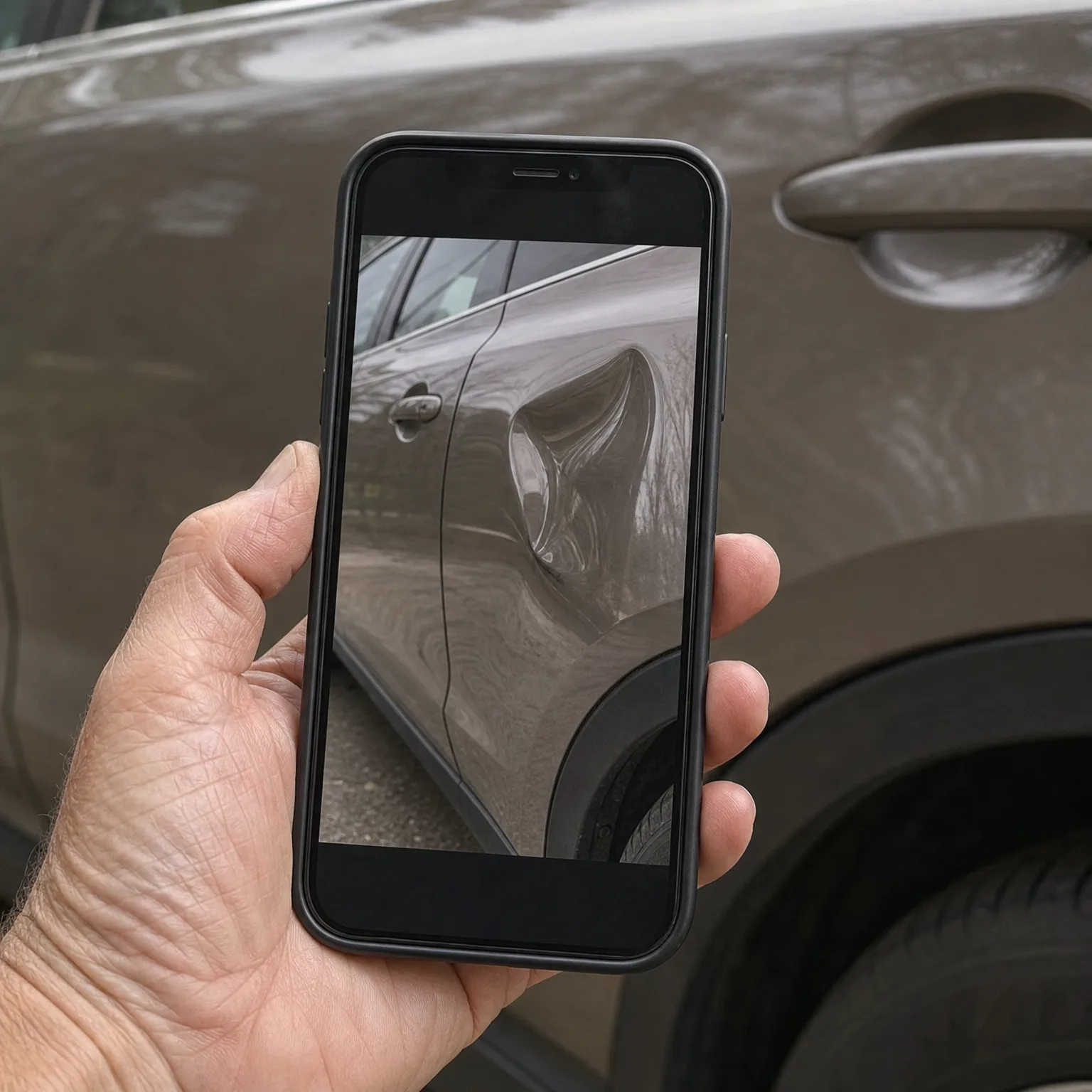
Before you call, have your policy number, the vehicle's make and model, and a clear description of where the damage is and how it happened. A photo of the crack or chip helps the shop prepare and can speed up the whole process.
Glass coverage versus comprehensive coverage
Glass coverage
This pays specifically for windshield and window damage, often without a deductible or with a reduced one. It's narrow by design, covering only the glass itself.
Comprehensive coverage
This is the broader coverage that pays for glass damage when there's no separate glass coverage, along with theft, fire, hail damage to the body, and hitting an animal. It usually carries its own deductible.
If you already have comprehensive coverage, adding glass coverage mainly saves you the deductible on glass claims, so lean toward keeping it if that deductible would be a strain to pay out of pocket.
Real situations
You're leaving a county road at dusk and a deer runs into the side of your car, cracking the passenger window.
This pays for the window, since it's glass damage from an animal strike covered the same as any other glass claim.
Hail hits your car while it's parked in the lot during a church service, denting the hood and cracking the windshield.
Glass coverage pays for the windshield, while the hood dents are handled separately under comprehensive coverage.
Your sunroof stops closing properly after years of use, and rain starts leaking into the cabin.
This doesn't pay, since the sunroof's mechanical failure isn't glass damage and falls outside this coverage.
Once you know whether to keep, adjust, or drop glass coverage, you're ready to compare quotes with that decision already settled.
Questions people ask about this
Does glass coverage cover a cracked windshield from normal wear over time?
No, it generally only covers sudden damage like a chip or crack from an impact, not gradual wear or stress cracks that develop over years. Insurers typically look at the cause of the damage when you file a claim. If a crack appears with no clear impact, it may be harder to get it approved.
Can I choose my own glass repair shop or do I have to use the insurer's?
You can usually choose your own shop, even if your insurer suggests a preferred one. Using a shop outside their network sometimes means more paperwork or a short delay for approval. Check your policy or ask your agent if there are any restrictions before scheduling the repair.
Will a glass claim raise my insurance rates?
Typically not, since glass claims are usually treated separately from at-fault accidents and don't carry the same weight. Insurers generally view them as a minor, no-fault type of claim. Still, policies vary, so it's worth asking your agent directly how your insurer handles it.
Is glass coverage the same as full coverage?
No, glass coverage is just one small piece of what people usually mean by full coverage, which typically includes comprehensive and collision as well. Full coverage is a bundle, and glass coverage is often an add-on within it. Check your declarations page to see exactly what's included under your policy.
Do I need glass coverage if my car is older and not worth much?
It depends on your situation, since glass repair costs don't really shrink with the car's value the way other repairs might. Even an older car still needs a working windshield to pass inspection or drive safely. Weigh the coverage against how often you drive and whether you'd rather pay out of pocket if a crack happens.