Deer Collision Coverage for Seniors in Pennsylvania
This is the part of your policy, usually called comprehensive coverage, that pays to repair or replace your car after you hit a deer.
What it pays for
Covers
- Deer strike damage Repairs to your car's body, lights, and frame after a collision with a deer are covered.
- Swerve and crash damage If you swerve to avoid a deer and hit a tree or guardrail instead, that's still treated as a comprehensive claim, not a collision claim.
- Total loss payout If the damage costs more to fix than the car is worth, the policy pays you the car's value instead of repairing it.
- A rental car Many policies offer a separate add on that covers a rental while your car is in the shop, worth checking for on your declarations page.
- Glass damage A cracked windshield from the same incident is covered under this same part of the policy.
Doesn't cover
- Your own injuries Medical costs from the crash come from your health insurance or from medical payments coverage on the auto policy, not from this one.
- The other driver's car If someone swerves and hits you while avoiding a deer, their liability coverage, not yours, is what pays for your car.
- Normal wear and tear Rust, worn tires, or mechanical failure unrelated to the deer strike are never part of this coverage.
- Towing by itself Getting the car off the road after the crash usually needs its own towing add on, separate from this one.
- A rental, automatically Without the separate rental reimbursement add on, you pay for a replacement car out of pocket while yours is repaired.
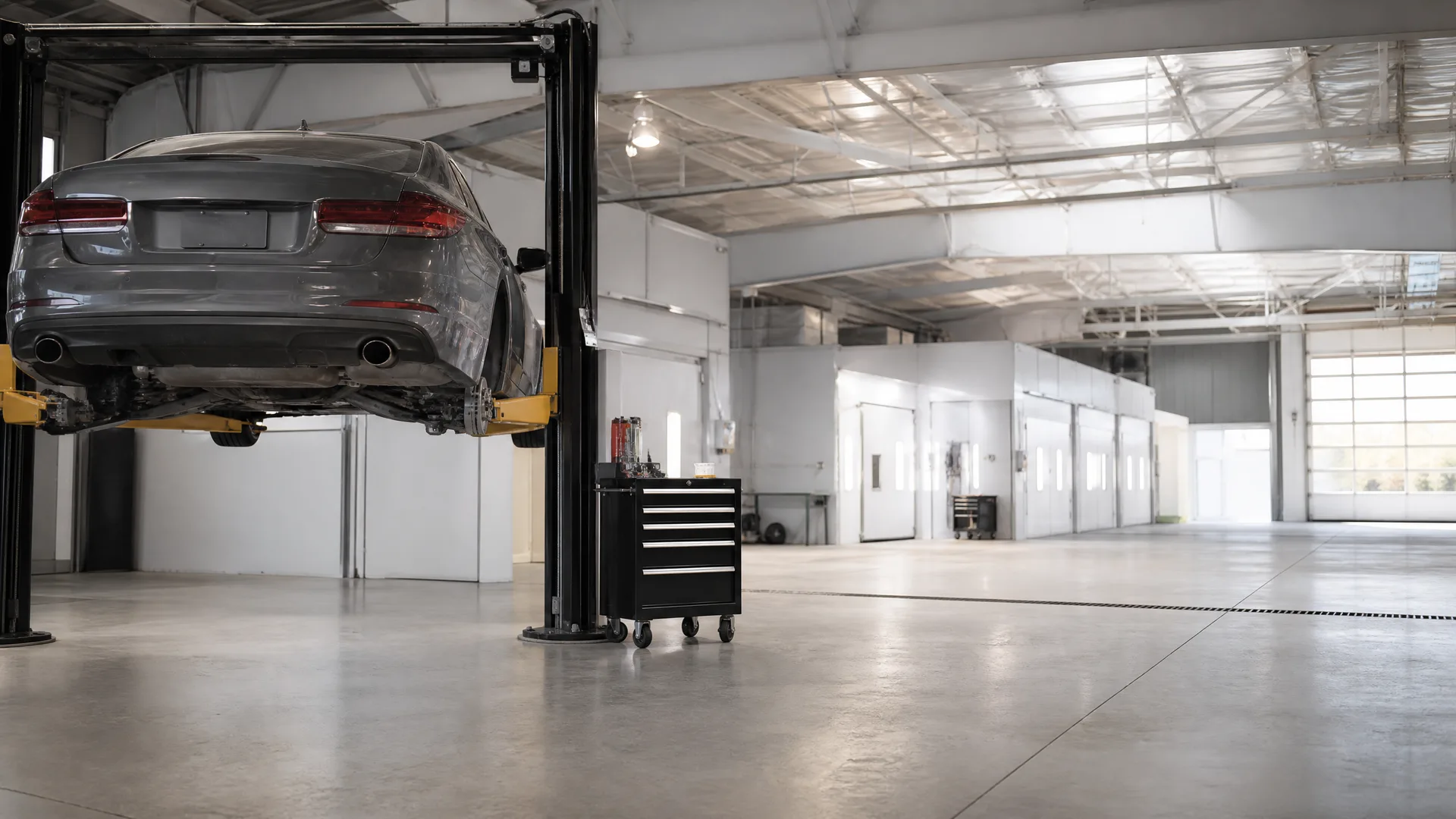
Worth it for most older drivers who still carry it, but check your specific car
Start with what the car is worth. If you're driving a car that's older and mostly paid off, a full repair bill after a deer strike can run close to or past what the car would sell for. That math changes everything about whether this coverage is worth its cost.
Think about what you could absorb from savings without much stress. Some drivers in their seventies and eighties have enough set aside that a sudden repair bill, even a large one, wouldn't change much about their month. Others would feel it right away. That answer is personal and it's the one that matters most here.
How much you drive and where matters too. A driver who still puts real miles on rural or wooded roads at dusk and dawn, when deer move most, faces a different risk than someone who mostly drives short trips in town during daylight. Where the car sits at night counts as well. A car kept in a garage is less exposed than one parked on a street near open land.
If the car is newer or still financed, the decision is usually made for you. Lenders require this coverage until the loan is paid off, so the real choice only shows up once the car is yours outright.
What actually happens when you file a deer claim
You pay a deductible first, and the coverage pays the rest up to the car's value. Some drivers choose a lower deductible for exactly this kind of claim, knowing deer strikes are common where they live, while others accept a higher one to keep the ongoing cost down.
A claim for a deer strike is usually straightforward. You report when and where it happened, get an estimate from a repair shop, and the insurer either approves the repair or declares the car a total loss based on its value before the crash.
Have your registration, a rough idea of your car's mileage and condition, and photos of the damage ready when you call. If the deer was struck at night or on an unfamiliar road, note the location as best you can, since that helps the claim move faster.
One thing worth knowing ahead of time is that a deer strike claim through this part of the policy typically doesn't affect your rate the way an at-fault accident would, since you weren't at fault for an animal running into the road.
Deer collision coverage versus collision coverage
Comprehensive coverage
This is the part that pays for a deer strike, along with other events like hail, fire, or theft. It pays out regardless of who or what caused the damage, as long as it wasn't a crash with another vehicle.
Collision coverage
This pays for damage from hitting another car, a guardrail, or a fixed object when you're the one driving into it under your own control, like sliding on ice into a mailbox. It's a separate line on your policy with its own deductible.
If you want protection from a deer strike specifically, you need comprehensive coverage, not collision, though most drivers who carry one carry both.
Real situations
You're driving a county road at dusk and a deer runs into your path. You hit it directly and the front of your car is badly damaged.
This pays, since a direct collision with an animal is exactly what this coverage is for.
A deer runs across the road ahead of you, you swerve to miss it, and you end up in a ditch with damage to the undercarriage.
This still pays, because the crash was caused by avoiding the deer, even though you never touched the animal.
Your car is parked in your driveway overnight and a hailstorm damages the hood and roof.
This pays too, since hail falls under the same comprehensive coverage, but it has nothing to do with deer specifically.
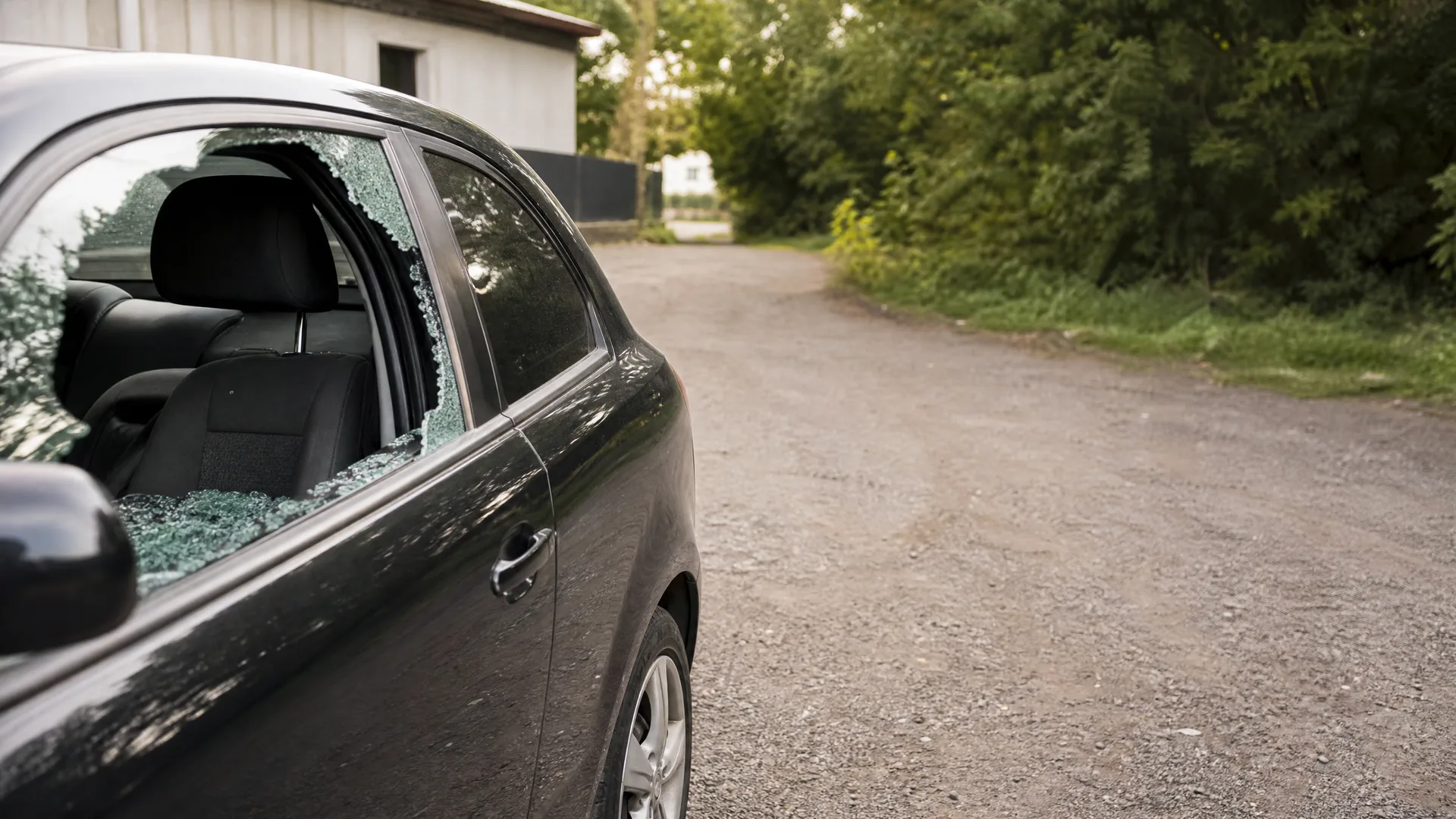
Once you know whether this coverage still fits your car and your driving, you can compare quotes with that piece already settled.
Questions people ask about this
Does hitting a deer count as an at-fault accident?
No, a deer strike is not treated as an at-fault accident on your driving record. It falls under comprehensive coverage, which doesn't carry fault the way a crash with another driver does. Your rate may still reflect the claim itself, so it's worth asking how your insurer handles comprehensive claims specifically.
What should I do right after hitting a deer?
Pull over safely and check that you and any passengers are unhurt before dealing with the car. Call for help if the car isn't drivable, and take photos of the damage and the scene if it's safe to do so. Avoid approaching the deer, since an injured animal can be unpredictable.
Will my insurance drop me for filing a deer strike claim?
It's unlikely on its own, since insurers generally treat these as no-fault events tied to where you live and drive, not to your behavior. A pattern of frequent claims of any kind over a short period is what tends to draw scrutiny. One isolated deer strike claim is common and expected in many areas.
Is deer collision coverage required by law?
Whether any form of comprehensive coverage is required depends on your state and on whether your car is financed. It varies by state, so check your own policy or declarations page to see what you currently carry and whether it's optional for you.
Can I remove this coverage and add it back later if I move to a rural area?
Yes, you can generally add or drop comprehensive coverage whenever you update your policy, since it's not tied to a long term commitment. If your driving habits or location change, that's a reasonable time to revisit it. Just confirm there's no gap in coverage during the switch.