Collision Coverage vs Comprehensive
Collision pays for crash damage to your car. Comprehensive pays for damage from almost anything else.
They cover two different kinds of damage
Collision coverage pays to repair or replace your car when you hit another vehicle or object, or when you roll it, no matter who caused the accident. Comprehensive coverage pays for damage that isn't from a crash with another vehicle: hail, a falling tree branch, a deer in the road, theft, vandalism, a cracked windshield.
Many drivers carry both, but they're not a package. Your insurer sells them separately, and you can usually choose one without the other. If you're financing or leasing the car, the lender will likely require both. If you own it outright, the choice is yours to make based on what the car is worth and what you can afford to replace out of pocket.
What your car is worth changes whether either one makes sense
Both coverages pay out based on your car's actual cash value, not what you paid for it or what it would cost to replace with something new. On an older car worth little, the payout after an accident or a theft can end up close to what you'd pay in premiums over a few years just to carry the coverage.
This is worth working out with real numbers. Call your insurer or agent and ask what your car is currently valued at for claims purposes, then compare that to what you're paying for collision and comprehensive combined. If the value is low and you could cover a replacement yourself, dropping one or both is a reasonable choice.
If you still owe money on the car, this calculation doesn't apply the same way. Check your loan or lease terms before you change anything, since many require both coverages until the loan is paid off.
Your deductible matters here too. A higher deductible lowers your premium but means you pay more before either coverage starts paying out. Ask your insurer what the premium difference actually is at different deductible levels before deciding.
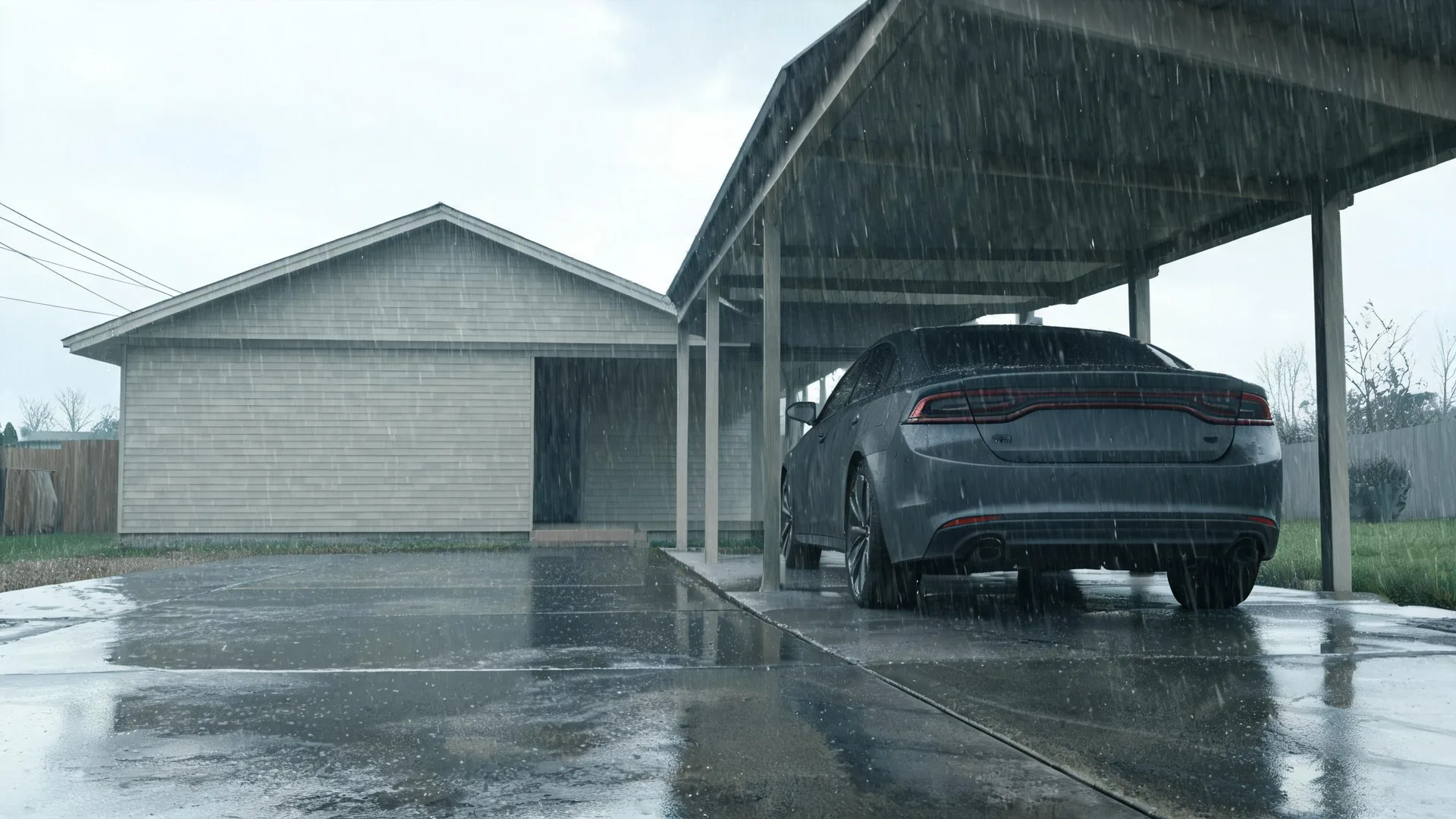
Where you live and park changes which one earns its keep
Comprehensive tends to matter more if you live somewhere with frequent hail, flooding, or a lot of deer on the roads, or if you park on the street in an area with higher theft rates. Collision matters more if you drive often in heavy traffic or on roads where accidents are more likely.
Neither of these is something you can judge from a national average. Ask your insurer or agent how claims in your area typically break down between the two types of coverage, and look at your own driving: how much you drive, where you park overnight, and what's actually happened to your car or your neighbors' cars in the past.
If you've gone years without a comprehensive claim but have had a couple of fender benders, that's a reason to look harder at your collision coverage and deductible rather than assume both coverages deserve equal attention.
Questions people ask about this
Can I have comprehensive without collision?
Yes, most insurers let you buy comprehensive on its own. Some drivers do this on an older car they own outright, accepting the risk of paying for crash repairs themselves while still covering theft or weather damage. Check with your insurer, since not every company offers every combination.
Does comprehensive cover a cracked windshield?
Usually, yes, a cracked or chipped windshield from a rock or debris falls under comprehensive rather than collision. Some insurers handle glass claims differently, sometimes with a separate deductible or a glass endorsement. Ask your insurer how they handle glass claims specifically.
Does collision cover hitting a deer?
No, hitting an animal is typically treated as a comprehensive claim, not collision, even though it involves a crash. This surprises a lot of drivers. Ask your insurer directly if you're unsure how a specific kind of collision would be classified.
Will dropping collision or comprehensive lower my premium noticeably?
It depends on your car, your driving record, and your insurer's pricing, so there's no general answer. Ask your insurer for a quote with and without each coverage so you can see the actual difference for your policy rather than guessing.
Do I need both if I own my car outright?
Not necessarily. Once a car is paid off, carrying collision and comprehensive becomes a choice rather than a requirement, and it depends on the car's value and how much risk you're willing to take on yourself. Work out the car's current value with your insurer before deciding.
See what collision and comprehensive would actually cost on your policy before you decide what to keep.
Pull out your renewal notice or policy declarations page and find the line that shows what you're paying for collision and comprehensive separately. Call your insurer or agent and ask what your car's current cash value is for claims purposes. Ask how much your premium would change if you dropped one or adjusted your deductible. If you're still financing or leasing the car, check your loan agreement first, since it may require both coverages regardless of what you'd otherwise choose. Bring any answers back to a few insurers so you can compare how each one prices the same coverage on your car.