Collision Coverage on a Convertible
Collision coverage pays to repair or replace your convertible after it hits another vehicle or object, or flips over, regardless of who caused it.
What collision coverage pays for
Covers
- Collision with another car If you hit another vehicle, or it hits you, this pays to fix your convertible no matter whose fault it was.
- Hitting a fixed object A guardrail, a mailbox, a light pole, your own garage door frame, all count if you drive into them.
- Single car rollover If the car flips or rolls without another vehicle involved, the damage is still covered under collision.
- Potholes and road damage Hitting a deep pothole or a chunk of debris on the road falls under collision, not comprehensive.
- A hit and run If someone hits you and drives off, collision covers your car since the other driver can't be billed.
- Convertible top damage from a crash If the top tears or the frame bends because of an accident, that repair is part of the collision claim.
Doesn't cover
- Hail or storm damage A dented hood or a torn top from hail is weather damage, and that falls under comprehensive coverage instead.
- A tree branch falling on the car Falling objects while the car is parked are also a comprehensive claim, not collision.
- Theft of the car or the top If the convertible or just the top gets stolen, comprehensive pays for that, not collision.
- Mechanical breakdown A failing top motor, a worn hydraulic system, or any wear and tear isn't a collision claim no matter how it started.
- Injuries to you or your passengers Medical costs are handled by medical payments, personal injury protection, or health insurance, not collision.
- Damage to someone else's car That's paid through your liability coverage, which is a separate line from collision.
Worth it if the car still has real value to protect
The first question is simple. What would it cost to replace this convertible today, and is that a number worth insuring against. An older convertible that's paid off and worth modestly less than it once was may not need the same protection it did when it was new.
Think about what you could absorb yourself. If you have enough set aside that losing the car tomorrow wouldn't change your month, collision coverage becomes optional rather than necessary. If replacing it would strain your savings, the coverage is doing real work for you.
How much you actually drive matters too. A convertible that comes out on warm weekends and spends winter in the garage carries less risk than one driven daily on the highway. Less time on the road is a real reason to reconsider what you're paying for.
Where the car sits overnight counts as well. A locked garage is a different risk than a shared driveway or street parking, and that difference is worth weighing honestly rather than assuming the worst.

How a collision claim actually goes
You pay a deductible first, and the coverage pays the rest up to what the car is worth. If the repair costs more than the car's value, the insurer will typically total it and pay you that value instead of fixing it, minus your deductible.
After an accident you'll file a claim, get the car inspected or appraised, and get an estimate for repairs or a payout if it's totaled. Convertibles can take longer to assess because top mechanisms and frame work sometimes need a specialist, so ask early whether your shop has experience with soft tops.
Have your policy number, photos of the damage, and a written description of what happened ready when you call. If the top was damaged, note that specifically, since it's sometimes priced and inspected separately from the rest of the body.
The payout covers the car itself. It won't cover a rental unless you've added that separately, and it won't cover anything left inside the car at the time of the crash.
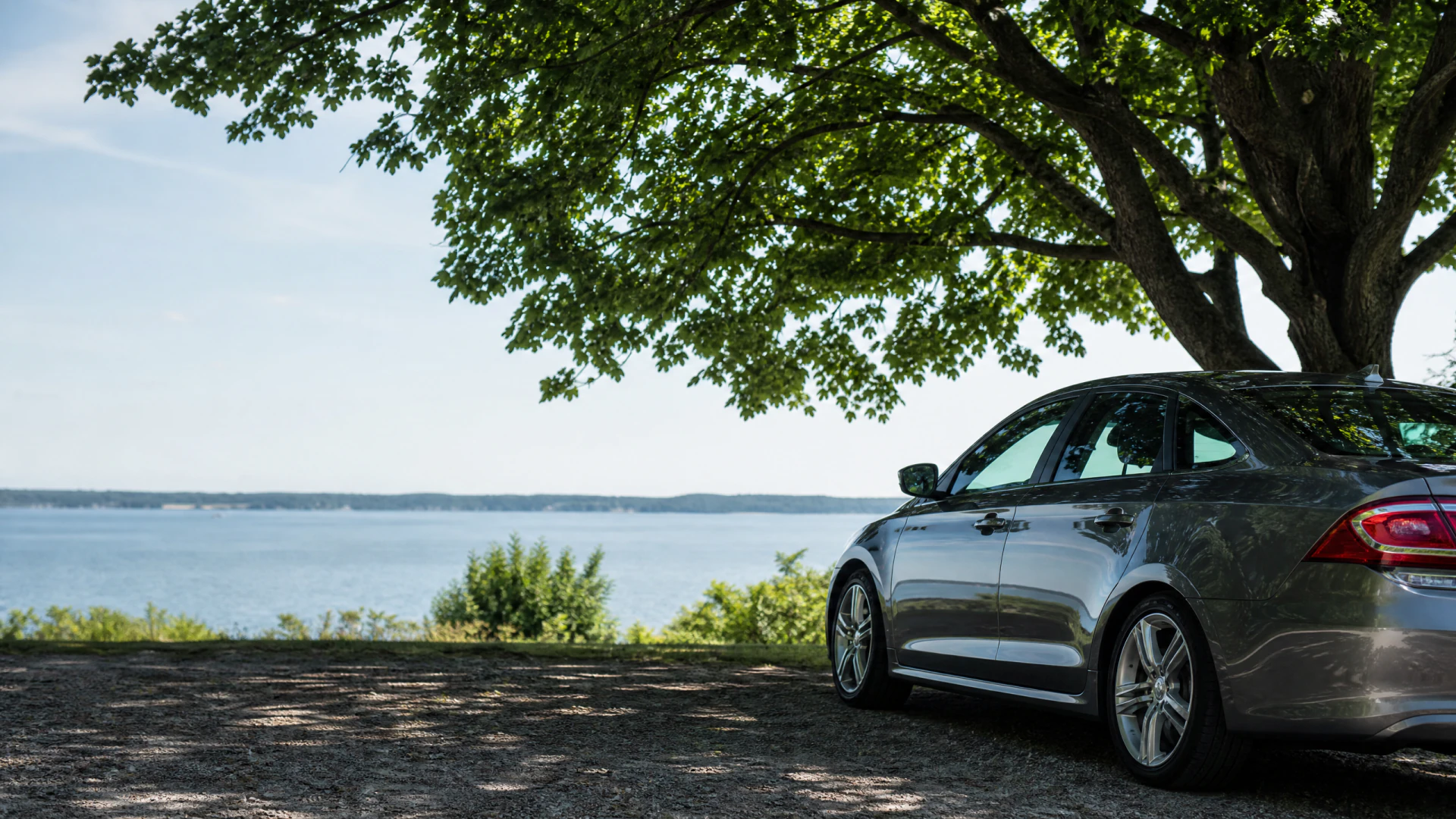
Collision vs. comprehensive
Collision coverage
This pays for damage from hitting something, whether that's another car, a fixed object, or a rollover. It applies no matter who's at fault.
Comprehensive coverage
This pays for damage that isn't a collision, like hail, theft, fire, vandalism, or an animal strike. It's the coverage most convertible owners lean on more, since tops are vulnerable to weather and theft.
If you're trying to protect the car's value against everyday driving risk, lean toward collision, but most convertible owners find comprehensive earns its keep more often.
Real situations
You're pulling out of a grocery store parking lot and clip a shopping cart corral, denting the rear quarter panel.
This pays, since it's damage from hitting a fixed object.
A hailstorm rolls through while you're parked at church and leaves dents across the hood and top.
This doesn't pay, since hail is a comprehensive claim, not collision.
A deer runs across a county road at dusk and you can't stop in time.
This doesn't pay either, since animal strikes fall under comprehensive coverage.
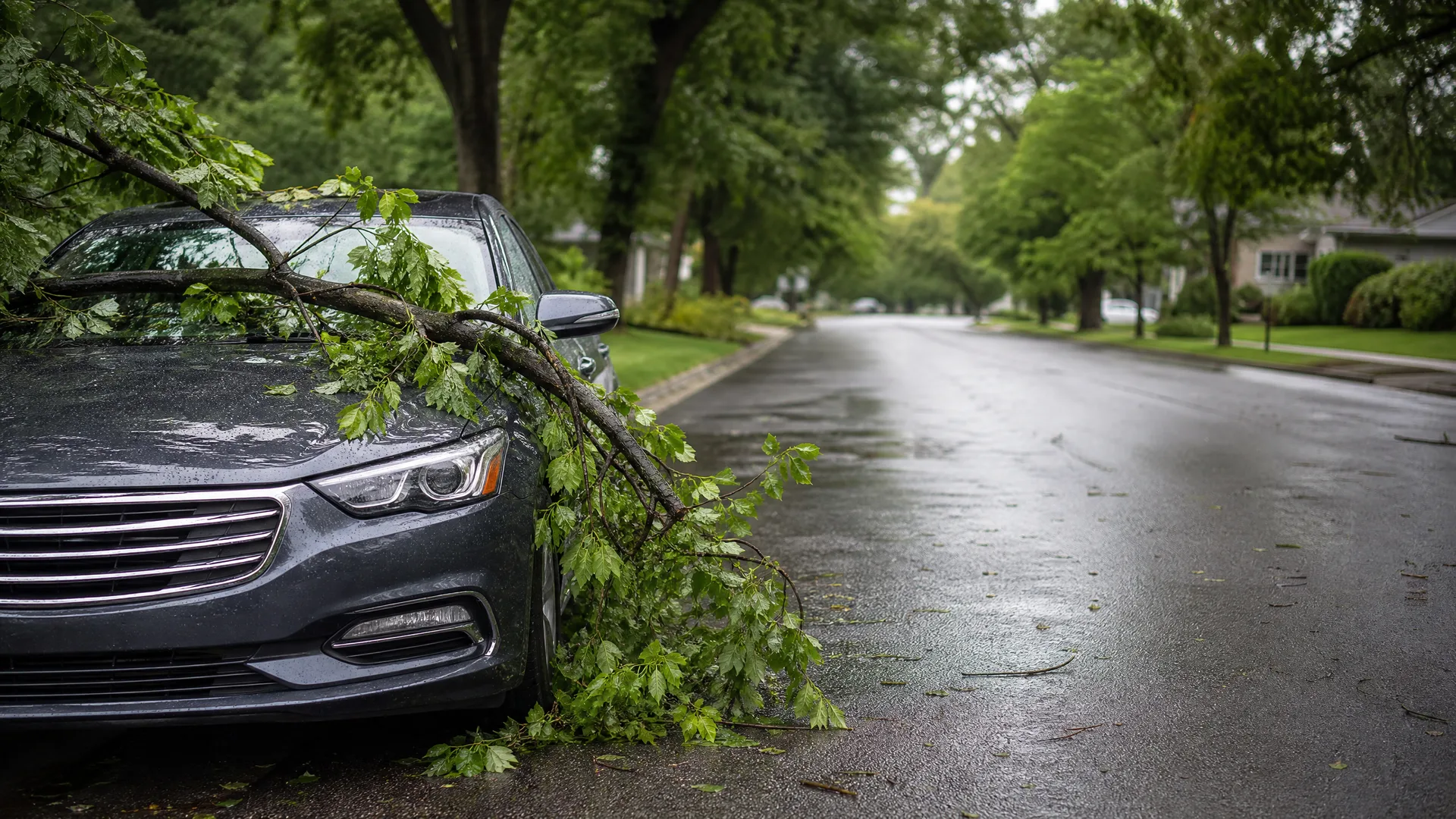
Once you know whether collision coverage still earns its place on your policy, you're ready to compare quotes with that decision already made.
Questions people ask about this
Can I drop collision coverage on an older car?
Yes, you can drop it on any car you own outright, since lenders are the ones who typically require it. Whether you should depends on what the car is worth and what you could cover yourself if it were totaled. Check your loan or lease terms first if you're not paying the car off outright.
Does collision coverage cover a soft top tear from branches or debris while driving?
Yes, if the tear happens because you hit something while the car is moving, that's a collision claim. If the top tears on its own from age or a branch falls on a parked car, that's comprehensive instead. The distinction comes down to whether the car was in motion and hit something.
How does collision coverage work if my convertible is a classic or collector car?
It works the same way, but the payout is based on the car's value, which can be a sticking point for classics. Standard policies often value the car at current market price rather than collector value. Ask about an agreed value or stated value policy if the car is worth more than a typical appraisal would suggest.
Will my rates go up after a collision claim on a convertible?
It depends on your insurer and your driving history, and this varies enough that you should ask your agent directly. Some policies offer accident forgiveness for a first claim, which can prevent an increase. Check your policy or ask before filing if you're on the fence about a minor claim.
Do I need collision coverage if I only drive my convertible seasonally?
Not necessarily, since less time on the road does lower your risk of an at fault accident. Some insurers offer reduced rates or storage options for seasonal vehicles, which is worth asking about. Whether to keep it still comes down to the car's value and what you could absorb if something happened during those months you do drive.