Collision Coverage for Seniors in Oregon
Collision coverage pays to repair or replace your car after it hits another vehicle or object, or flips over, no matter who caused it.
What collision coverage pays for
Covers
- Hitting another vehicle If you're at fault in a crash, this pays to fix your own car.
- Hitting a fixed object A mailbox, a fence post, a guardrail, this covers the damage to your car from running into something stationary.
- Single-car rollovers If your car flips or rolls, even with nothing else involved, the damage is covered.
- Potholes and road damage Hitting a pothole hard enough to damage your car's frame or suspension falls under this coverage.
- Hit and run damage to your car If someone hits you and drives off, this pays for your repairs since there's no other driver to collect from.
Doesn't cover
- A deer or other animal Hitting an animal is handled by comprehensive coverage, not collision.
- Hail or storm damage Weather damage while your car is parked or driving falls under comprehensive, a separate line on your policy.
- Theft of your car A stolen vehicle is a comprehensive claim, since no collision took place.
- Your medical bills Injuries to you or your passengers are handled by personal injury protection or medical payments coverage.
- The other driver's car Damage to someone else's vehicle is paid by your liability coverage, not this one.
For many older drivers, it stops making sense at some point
The math changes as a car ages. Once a car is paid off and its value has dropped, the most this coverage will ever pay out shrinks along with it. At some point the yearly cost of carrying it gets close to what the car itself is worth, and that's when it's worth asking whether you're just paying to insure a small number.
What matters most is whether you could cover a bad repair or a replacement car out of savings without it hurting. If a total loss tomorrow would barely dent your finances, dropping this coverage on an older paid-off car is a reasonable choice. If it would force you to borrow or go without a car, keeping it makes sense even on a car that isn't worth much.
How much you drive matters too. A driver who still commutes daily or takes long road trips has more exposure than someone who drives a few miles a week to the store and back. Less time on the road means less chance of needing this coverage, which is part of why some retired drivers choose to drop it.
Where the car spends its time counts as well. A car that sits in a garage most of the week faces less risk than one parked on the street or driven on icy mountain roads every winter. None of this is a decision to rush, and it's worth looking at your car's actual value before you decide either way.
How a claim actually works
When you file a collision claim, you pay the deductible first and the coverage pays the rest, up to what your car is worth. If the repair costs less than your deductible, there's no real point in filing at all, since you'd just be paying for it yourself anyway.
After a crash, the insurer sends someone to look at the damage, or asks you to get an estimate from a shop. If the car can be fixed for less than it's worth, they pay for the repair. If the damage costs more than the car is worth, they declare it a total loss and pay you that value instead, minus your deductible.
Have your policy number, a description of what happened, and photos of the damage ready when you call. If another car was involved, their information helps too, even though fault doesn't decide whether this coverage pays.
One claim won't erase your no-claims history overnight, but it can affect your rate at renewal. That's worth weighing against the cost of paying for a repair yourself, especially for smaller damage close to your deductible.
Collision vs. comprehensive coverage
Collision coverage
This pays for damage from hitting another car or object, or from your car rolling over. It applies regardless of who's at fault.
Comprehensive coverage
This pays for damage that isn't from a crash, like hitting an animal, hail, fire, theft, or a falling tree branch. The two are usually sold together but are separate lines on your policy.
Drivers on rural roads with deer crossings or in areas prone to hail often keep comprehensive even if they drop collision, since the risks it covers don't involve a crash at all.
Real situations
You're driving home at dusk on a county road and a deer runs into your path, damaging the front of your car.
This is a comprehensive claim, not collision, since it involves an animal rather than another vehicle or object you struck by driving into it.
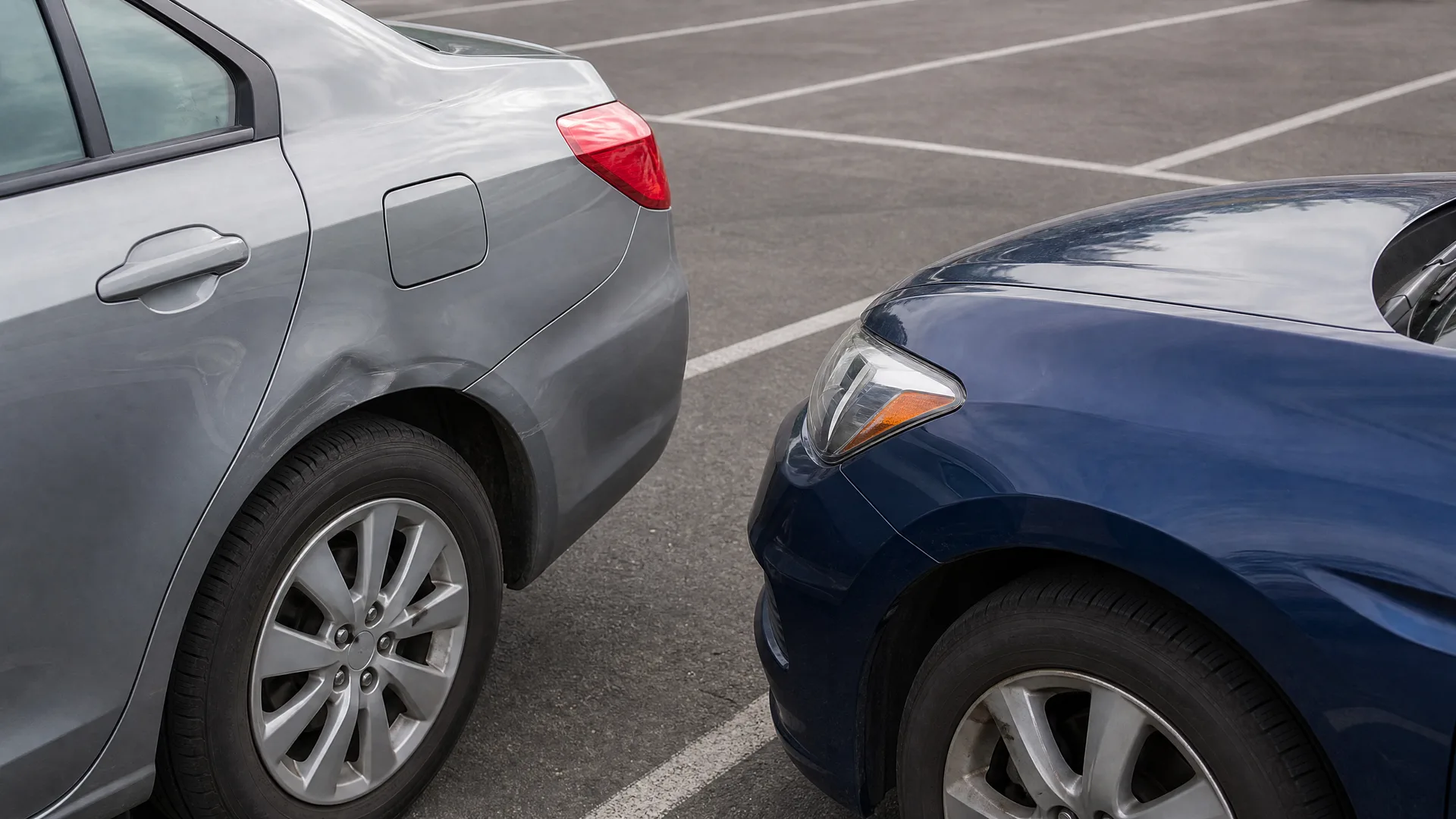
You back into a concrete post in a parking lot while pulling out of a space.
Collision coverage pays for this, since it's damage from hitting a fixed object.
A hailstorm hits while your car is parked at church and leaves dents across the hood and roof.
This falls under comprehensive coverage, not collision, since no impact with another vehicle or object occurred.
Once you know whether you want to keep, adjust, or drop collision coverage, you're ready to compare quotes that match what you actually need.
Questions people ask about this
Can I drop collision coverage if my car loan is paid off?
Yes, once there's no loan or lease requiring it, the choice is yours. Lenders require this coverage to protect their investment in the car, but once you own it outright, that requirement disappears. The decision then comes down to what you could afford to repair or replace out of pocket.
Does collision coverage follow the car or the driver?
It follows the car listed on the policy, not the person driving it. If you lend your car to a family member and they have an accident, your collision coverage is what responds, not theirs. This is worth knowing if you regularly let adult children or grandchildren borrow your car.
Will my rate go up after a collision claim even if it's not my fault?
It can, depending on the circumstances, though a not-at-fault claim is often treated differently than one where you caused the accident. Check with your agent about how your specific policy handles fault versus no-fault claims. Some policies have protections for long-time policyholders with a clean history.
What happens to collision coverage if I stop driving regularly?
Nothing changes automatically, since your coverage stays the same whether you drive daily or rarely. If your driving has dropped off significantly, it's worth telling your insurer, since lower mileage can sometimes lower your cost. It's also a good moment to reconsider whether you still need this coverage at all.
Can I choose a different deductible for collision than for comprehensive?
Yes, these are separate coverages and most policies let you set the deductible for each one independently. Some drivers choose a higher deductible on collision and a lower one on comprehensive, or the reverse, depending on which risks concern them more. Ask your agent to show you how each option changes your cost.