Collision Coverage for Seniors in Iowa
Collision coverage pays to repair or replace your car after it hits another vehicle or object, or rolls over, no matter who caused it.
What collision coverage pays for
Covers
- Hitting another vehicle If you're at fault in a crash, this pays to fix your own car after your deductible is met.
- Hitting a fixed object A mailbox, a guardrail, a garage door, a deer feeder, anything stationary you run into is covered.
- Single car rollovers If you lose control and the car rolls or flips with no other vehicle involved, it's still covered.
- Hitting an animal in some cases Some policies route deer strikes through comprehensive instead, so check which one your policy uses for this.
- Potholes and road damage Hitting a deep pothole hard enough to damage the car falls under collision, not comprehensive.
- A parked car getting hit and driving off If the other driver can't be identified, collision pays for your car since there's no one to collect from.
Doesn't cover
- Hail or storm damage Weather damage to a parked or moving car falls under comprehensive coverage, not collision.
- Theft of the vehicle A stolen car is a comprehensive claim, since no impact occurred.
- Mechanical breakdown A failed transmission or engine problem isn't a crash and isn't covered by any part of a standard auto policy.
- Your medical bills Collision pays for the car, not for injuries. Those fall under medical payments or health insurance.
- Damage to the other person's car That's handled by your liability coverage, which is separate from collision.
- Normal wear and tear A worn clutch or faded paint isn't a covered event no matter how old the damage looks.
Whether it's worth paying for depends mostly on what the car is worth
If the car is paid off and worth very little, collision coverage may cost more over a year than the car itself is worth if it's totaled. At that point you're insuring something the payout barely covers.
If you could pay cash to replace the car without much strain, dropping collision is a real option, not a reckless one. The coverage exists to protect you from a loss you can't absorb, and for some people at this stage that loss is manageable on its own.
If you still drive regularly, especially on rural roads, highways, or anywhere deer and winter weather are common, the odds of a claim stay real no matter your age. A car that sits in a garage most of the week and only goes to church and the grocery store carries less risk than one driven daily across the state.
A car that's still being paid off almost always needs to keep this coverage, since the loan holder usually requires it. Once it's paid off, the decision becomes yours alone, and it's worth revisiting every few years as the car's value drops.
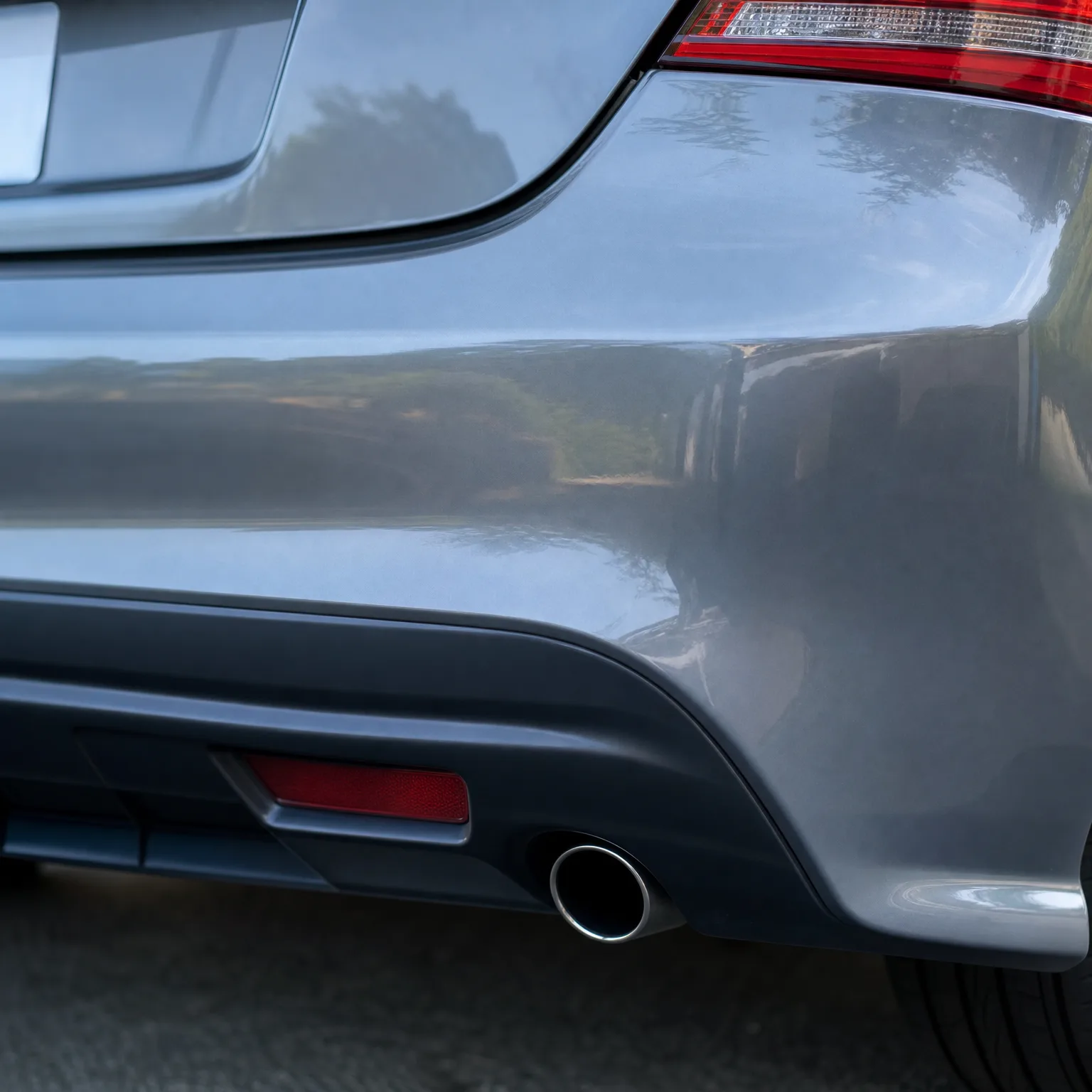
What happens when you actually use it
After an accident, you report the claim and an adjuster looks at the damage, either in person or through a shop you choose. You pay your deductible, and the insurer covers the rest of the repair cost up to the car's current value, not what you paid for it years ago.
If the repair cost is close to or more than what the car is worth, the insurer may declare it a total loss and pay you that value instead of fixing it. This is often the part that surprises people who've driven the same car for a long time and assumed it would simply get repaired.
Have your policy number, the other driver's information if there was one, and photos of the damage ready when you call. A police report helps but isn't always required for a single car incident.
The payment goes toward repairing or replacing the car, not toward a rental or your time without one. That's a separate coverage, so check whether you have it if being without a car for a stretch would be a real problem.
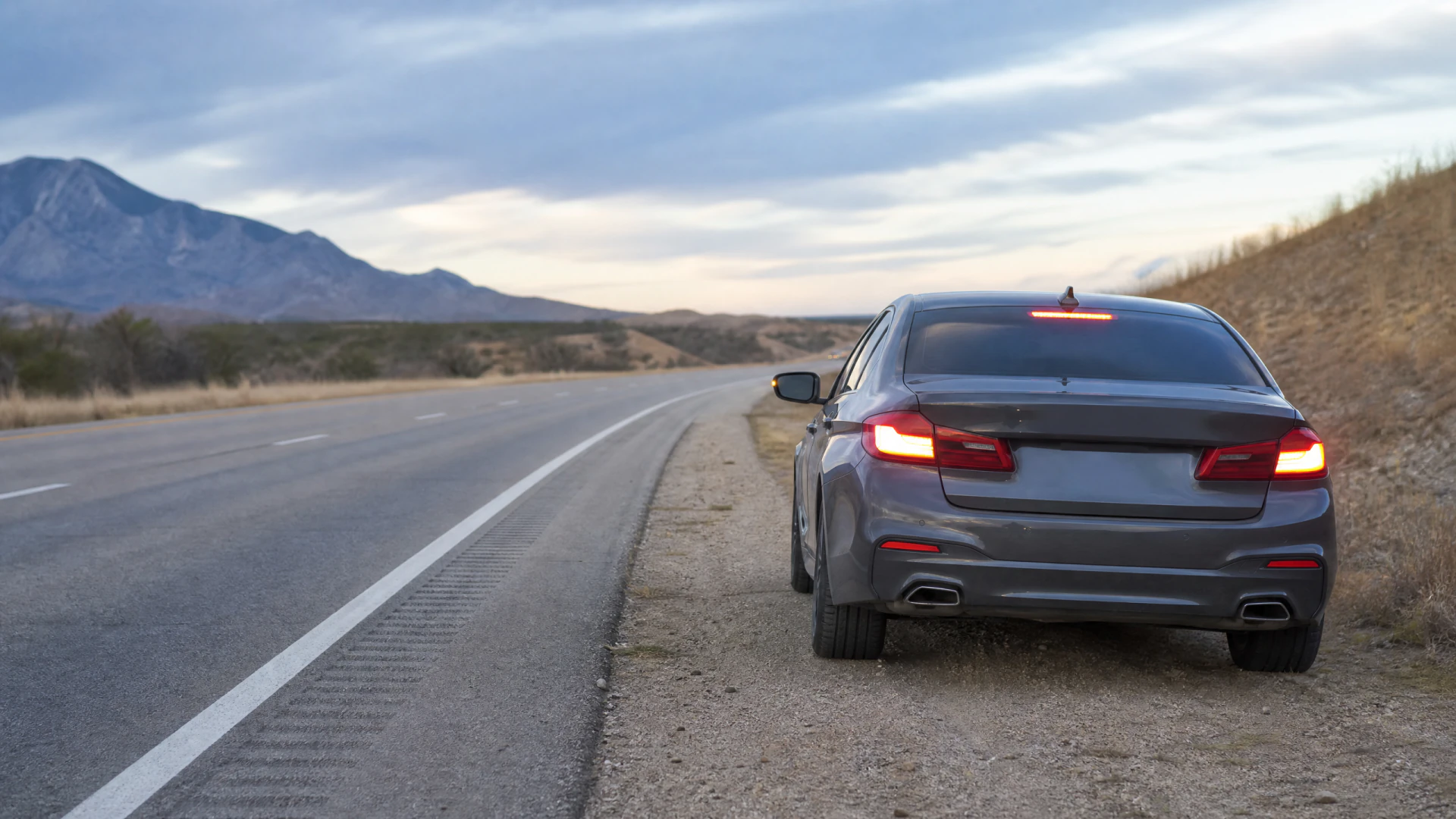
Collision versus comprehensive coverage
Collision Coverage
Collision pays for damage from a crash, a rollover, or hitting an object, whether or not anyone else was involved. It only applies when impact caused the damage.
Comprehensive Coverage
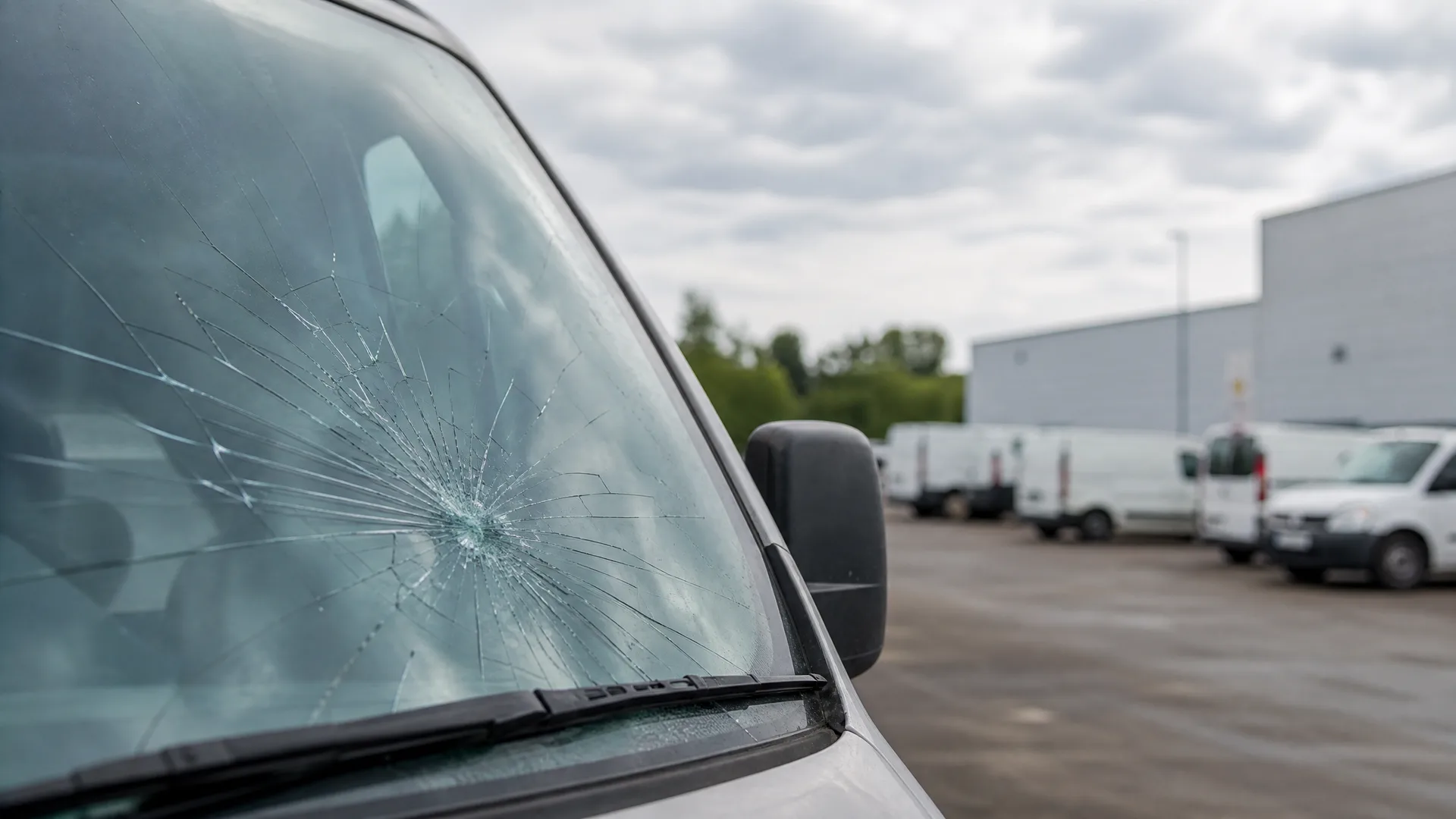
Comprehensive pays for damage that isn't from a crash, like hail, theft, fire, or a cracked windshield from a rock. The two are usually sold together but cover different events.
If you're deciding whether to keep one but not the other, think about which risk worries you more: hitting something, or something happening to the car while it sits.
Real situations
You're pulling out of a parking spot at the grocery store and clip a concrete pillar, denting the fender.
Collision pays for this, since it's damage from hitting a fixed object, minus your deductible.
A hailstorm moves through while your car is parked at church and leaves dents across the hood and roof.
This is a comprehensive claim, not collision, since no impact with another object caused it.
A deer runs into the road at dusk on a county highway and you hit it before you can brake.
Many policies treat animal strikes as comprehensive, so check your policy, though some do route it through collision.
Once you know whether you want to keep, adjust, or drop collision coverage, you can compare quotes with that decision already settled.
Questions people ask about this
Can I drop collision coverage on an older car and keep liability only?
Yes, you can carry liability only once the car is paid off. Many drivers do this once a car's value drops low enough that the payout wouldn't be much, though it means you'd cover any repair or replacement cost yourself.
Does collision coverage follow the driver or the car?
It follows the car listed on the policy, not the person driving it. If you lend your car to a family member and they have an accident, your collision coverage is what responds.
How is my car's value decided when it's declared a total loss?
Insurers use the car's current market value based on its age, mileage, and condition, not what you originally paid. You can ask for the valuation report and challenge it if you think it's too low.
Will my rate go up after a collision claim even if it wasn't my fault?
It depends on the insurer and the circumstances, since some protect your rate after a not at fault accident and others don't. It's worth asking directly how your policy handles this before you need it.
What happens to collision coverage if I stop driving regularly?
The coverage itself doesn't change, but it may be worth adjusting if the car is parked most of the time, since some insurers offer lower rates for low mileage. Tell your insurer if your driving habits have changed significantly.