Does Full Coverage Insurance Cover Door Dings
Full coverage can pay for a door ding, but most drivers pay out of pocket because the repair costs less than the deductible.
Yes, if it's covered by collision or comprehensive, and worth filing
A door ding is physical damage to your car, so it falls under collision coverage if another car hit yours, or comprehensive if something else caused it, like a shopping cart or a tree branch. If you carry full coverage, meaning both of those along with liability, the damage itself is the kind of thing your policy is built to pay for.
What decides whether it's worth filing is your deductible. If the repair costs less than your deductible, your insurer won't pay anything. You'd be filing a claim to get nothing back, and that claim can still show up in your history.
Your deductible decides whether filing makes sense
Most door ding repairs are small. A body shop can often buff out or touch up minor damage for less than most people's deductible. If your deductible is higher than the repair cost, filing a claim gets you nothing and still goes on record.
Before you decide, get an actual repair estimate from a body shop. Don't guess at the cost. Once you have a number, compare it to your deductible in your policy. If the estimate is lower, pay for it yourself.
If the estimate is higher than your deductible, filing can make sense, especially for comprehensive claims, which in many states don't raise your rate the way an at-fault collision claim can. Ask your insurer directly how they treat comprehensive claims in your state before you file.
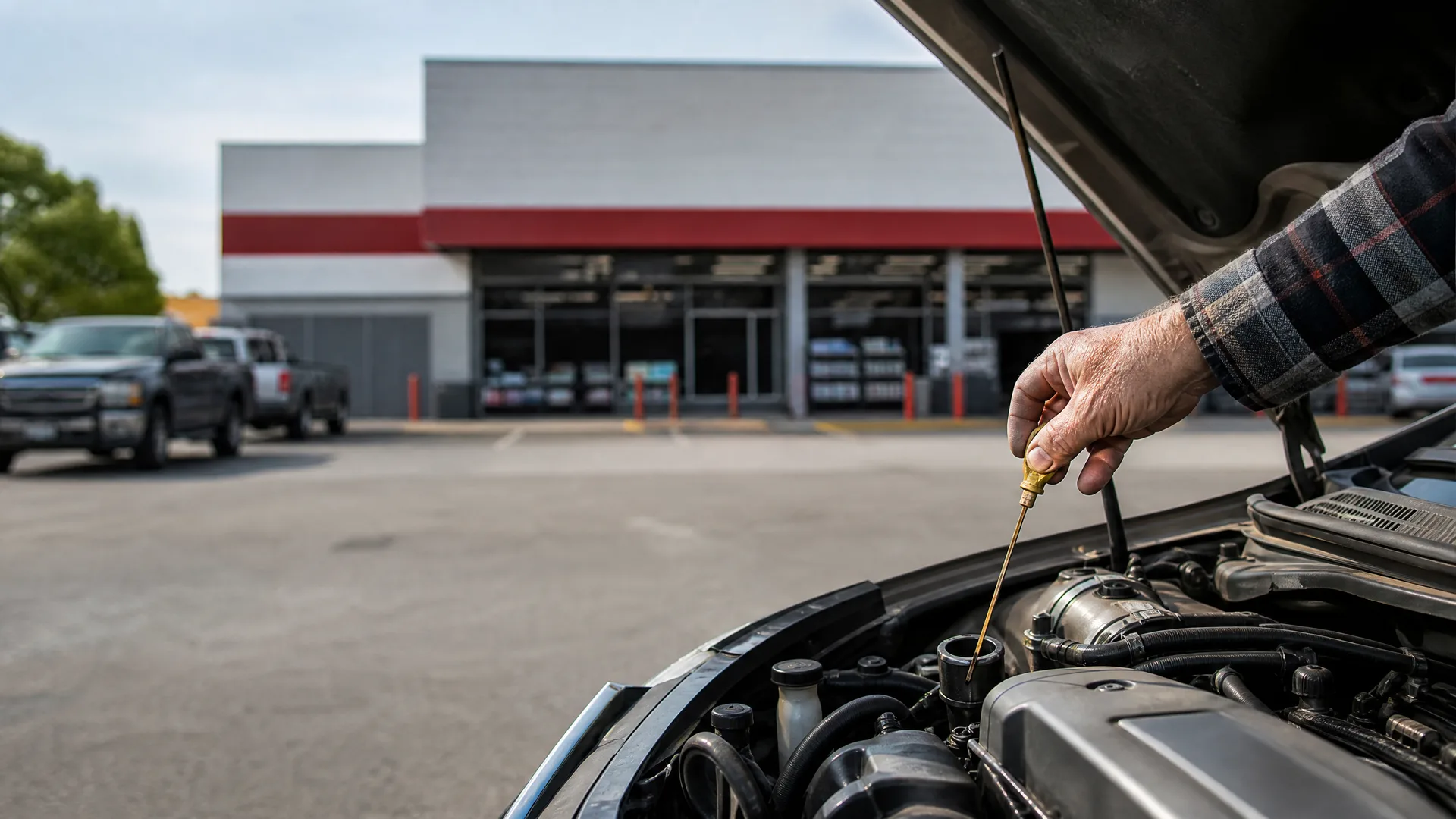
What most people get wrong about filing small claims
A lot of drivers assume filing a claim is free as long as the insurer pays. It isn't. Every claim you file, paid or not, becomes part of your claims history, and insurers look at that history when your policy comes up for renewal.
Filing two or three small claims over a few years can do more to your premium than one larger claim. Insurers aren't just looking at how much they paid out. They're looking at how often you file.
If the ding is cosmetic and doesn't affect how the door opens or closes, ask yourself whether you'd still want it fixed if you were paying the full cost yourself. That answer usually tells you whether it's worth involving your insurer at all.
Questions people ask about this
Does comprehensive coverage cost more than collision for the same claim?
Comprehensive and collision are priced separately based on different risks, so one isn't automatically cheaper than the other. What matters here is how your insurer treats a comprehensive claim versus a collision claim when it comes to your next renewal. Ask your agent how each type of claim has affected renewals for other customers in your state.
Will a door ding claim raise my rate even if it wasn't my fault?
It depends on whether the claim is filed as comprehensive or collision, and on your insurer's own rules. A door ding from an unknown source in a parking lot is usually comprehensive, which many insurers treat differently from an at-fault collision claim. Ask your insurer directly how a claim like this would be classified and whether it affects your rate.
Should I get a repair estimate before deciding to file a claim?
Yes, this is the first thing to do before contacting your insurer. A written estimate from a body shop tells you the actual cost, so you can compare it to your deductible. Filing a claim before you know the repair cost means you're deciding blind.
Can I pay for a small repair myself without telling my insurer?
Yes, you're never required to report every piece of damage to your car. If you choose to pay out of pocket, there's no claim on your record and no effect on your renewal. This is common for minor cosmetic damage that costs less than a deductible to fix.
Does it matter who else was involved in the door ding?
Yes, this changes which coverage applies. If another driver's door hit your car and you have their information, it may be their liability coverage that pays, not yours. If the damage came from an unknown car or something other than a vehicle, it falls under your own comprehensive coverage instead.
If you're thinking about switching for better claims terms, see what other insurers offer first.
Get a written repair estimate from a body shop before you call your insurer. Pull out your policy and check your deductible for both collision and comprehensive, since they can differ. Call your insurer and ask directly how a claim like this would be classified and whether it would affect your renewal. If the estimate is close to or under your deductible, pay for it yourself and skip the claim. If you're unsure how your current insurer handles small claims compared to others, this is a reasonable time to compare quotes.