Do Hail Car Covers Really Work
A good hail cover can reduce dents, but it won't stop damage from a severe storm, and a poorly fitted one may not help at all.
Yes, if the cover is built for hail and fitted properly
A hail cover made with padded or layered material can absorb some of the impact from hailstones and reduce denting on your hood, roof, and trunk. A thin cover meant just for dust or sun won't do much, since it has nothing to soften the blow.
How well it works also depends on the size of the hail and how the cover fits your car. A loose cover can shift in the wind and leave parts of the car exposed. A snug one that's rated for hail will do a better job of staying in place and spreading the impact across the surface instead of letting it concentrate in one spot.
The size of the hail changes everything
Small hail is what these covers are built for, and that's where you'll see the most benefit. A padded cover can keep pea-sized or marble-sized hail from leaving marks at all.
Once the hail gets larger, the cover's padding may not be thick enough to absorb the force. You might still see less damage than you would with no cover, but dents are still possible.
There's also the matter of speed and angle. Hail driven sideways by wind can hit the sides of your car, where most covers don't reach. A cover protects the horizontal surfaces, not the doors or fenders.
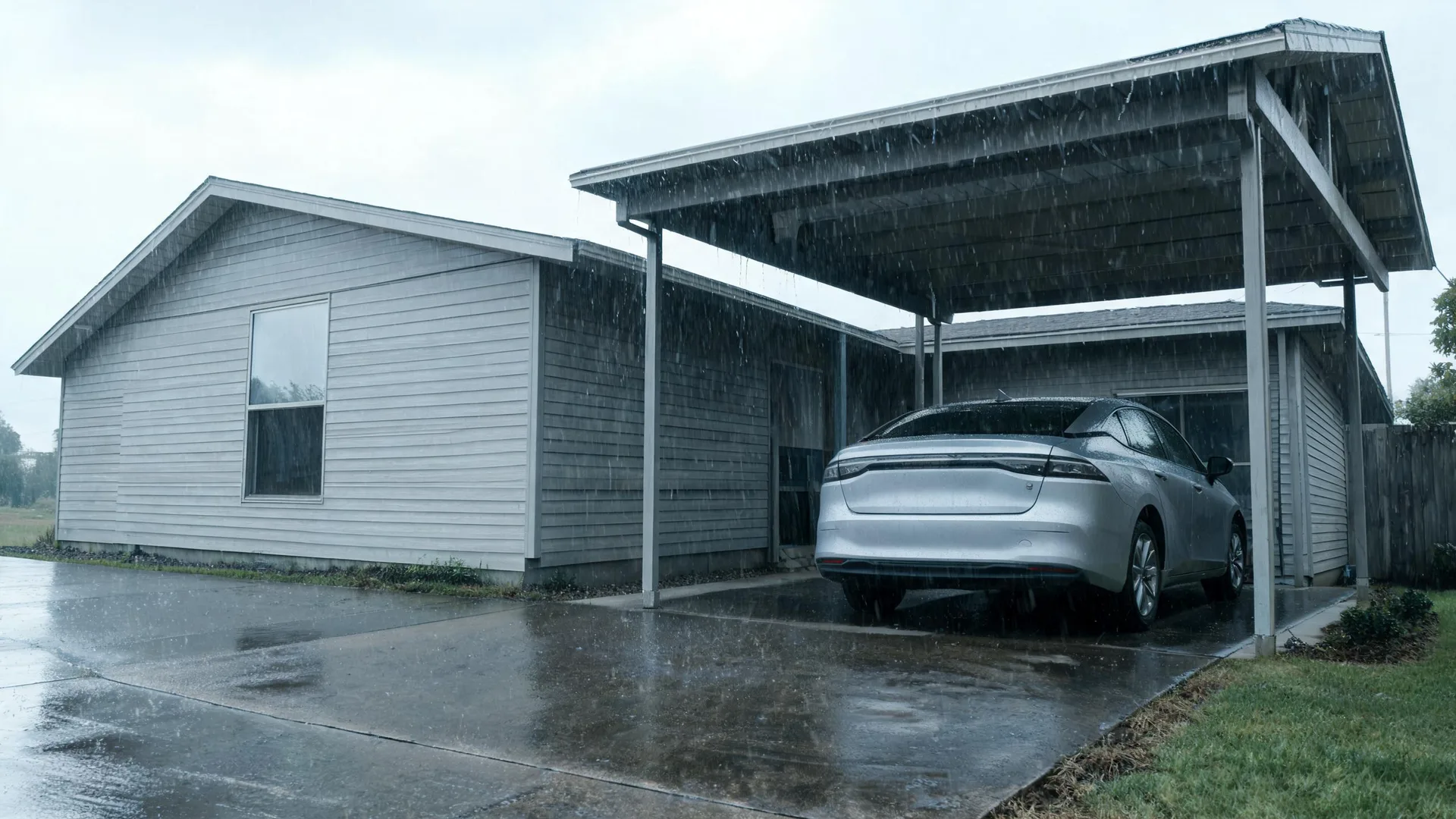
If you live somewhere that gets frequent, severe hailstorms, a cover helps but it isn't a substitute for parking under shelter when you can.
How you use it matters as much as the cover itself
A hail cover only works if it's actually on the car before the storm hits, which sounds obvious but is the most common way these covers fail to help. Checking the forecast and keeping the cover somewhere easy to grab makes a real difference.
Fit matters too. If the cover is too big, it can flap and let gaps open up where hail gets through. If it's too small, it won't cover the whole roof or hood. Check the cover's size against your car's measurements before you buy one.
Securing the cover is another step people skip. Covers with straps or clips that attach to the car or go under it will stay in place better than ones that just rest on top. A cover that blows off mid-storm does nothing.
Over time, the padding in a cover can compress or wear down, especially if it's left outside or used often. An older cover may not protect as well as it did when new, so it's worth checking the condition before hail season.
Questions people ask about this
Does a hail cover affect my car insurance rate?
No, using a hail cover doesn't change your premium on its own. Comprehensive coverage is what pays for hail damage, and that's priced based on your car, your location, and your claims history, not whether you use a protective cover. Using one can still help you avoid filing a claim in the first place, which is worth something over time.
Will my insurance cover a hail cover if it's damaged?
That depends on your policy and your insurer, so it's worth asking directly. Some comprehensive policies may cover accessories like a car cover if it's damaged in the same storm as your vehicle, but this isn't universal. Check your policy documents or call your insurer to ask how they handle it.
What should I do if hail damages my car despite a cover?
Document the damage with photos before you do anything else, including the position of the cover if it shifted. Then contact your insurer to start a comprehensive claim, since hail damage is typically covered under that part of a policy. Keep the cover itself in case your insurer wants to see how it held up.
Are hail car covers better than parking in a garage?
A garage or covered structure protects your car more completely than any cover, since it blocks hail from every angle. A hail cover is a backup for when you don't have access to shelter, not a replacement for it. If you have a garage or carport available, use that first.
How do I know if a hail cover is actually rated for hail?
Check the product description for language about impact resistance or hail protection specifically, not just weather resistance or UV protection. A cover rated for hail will usually describe its padding thickness or the material layers used to absorb impact. If the listing doesn't mention hail at all, it's probably not built for it.
If you want to know how hail damage affects your coverage and your rate, it helps to see what different insurers offer.
Check your current policy to see what your comprehensive coverage includes and what your deductible would be for a hail claim. If you're shopping for a hail cover, measure your car and look for one specifically rated for hail impact, not just weather protection. Keep the cover somewhere accessible so you can use it when a storm is forecast. If hail already damaged your car, take photos right away and contact your insurer to start a claim. And when your renewal comes up, take the chance to compare quotes and ask how each insurer handles hail claims in your area.