Collision Coverage for Seniors in Mississippi
Collision coverage pays to repair or replace your car after it hits another vehicle or object, or flips over, no matter who caused it.
What collision coverage pays for
Covers
- Hitting another vehicle If you're found at fault in an accident, this pays to fix your own car.
- Hitting a fixed object Running into a mailbox, fence, guardrail or garage door is covered the same way.
- Single car rollovers If you lose control and the car flips or rolls, the damage is covered.
- Potholes and road damage Hitting a pothole hard enough to damage the car counts as a collision.
- Hit and run damage If the other driver takes off, your collision coverage can still pay since there's no one to collect from.
Doesn't cover
- Hitting a deer An animal strike is handled under comprehensive coverage, not collision.
- Hail or storm damage Weather damage to a parked or moving car also falls under comprehensive.
- Theft of the car If the car is stolen outright, that's a comprehensive claim, not a collision one.
- Your medical bills Collision only covers the car itself, not injuries to you or your passengers.
- Mechanical breakdown A failed transmission or worn out brakes aren't a collision and aren't covered by this at all.
Whether it's worth it depends mostly on what the car is worth
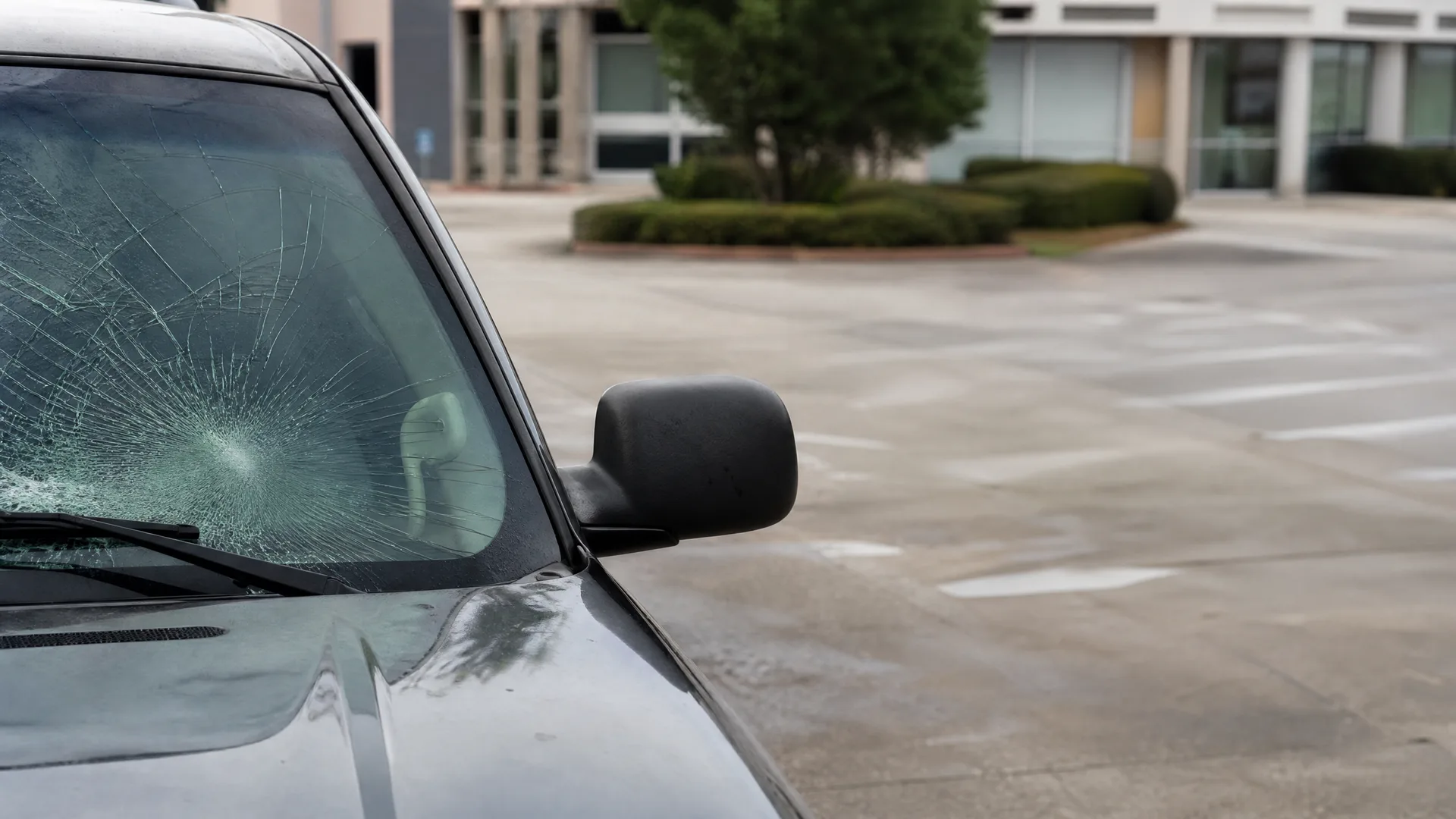
If your car is paid off and worth very little, collision coverage can end up costing more over a few years than the car itself. At some point you're insuring a number smaller than what you've already paid in to protect it. That math only works in your favor if the car still has real value.
If you still owe money on the car, or if replacing it would be a real strain on your savings, keeping collision coverage makes sense regardless of age. The question isn't how old you are, it's whether you could write a check to replace the car without it hurting.
How much you drive matters too. A car that mostly sits in the driveway and makes short trips to church, the pharmacy, or a daughter's house has less exposure than one that's on the highway every day. Less driving means less chance of needing this coverage, which shifts the math toward dropping it.
Where the car spends its time matters as well. A car kept in a garage overnight is less exposed to some risks than one parked on the street, though that affects comprehensive claims more than collision ones. Either way, it's worth asking your agent what the car is actually valued at before you decide anything.
How a collision claim actually goes
You pay a deductible before the coverage pays anything, and that amount is something you chose when you set up the policy. The lower the deductible, the more the coverage usually costs, so it's worth checking what yours is set to right now rather than assuming.
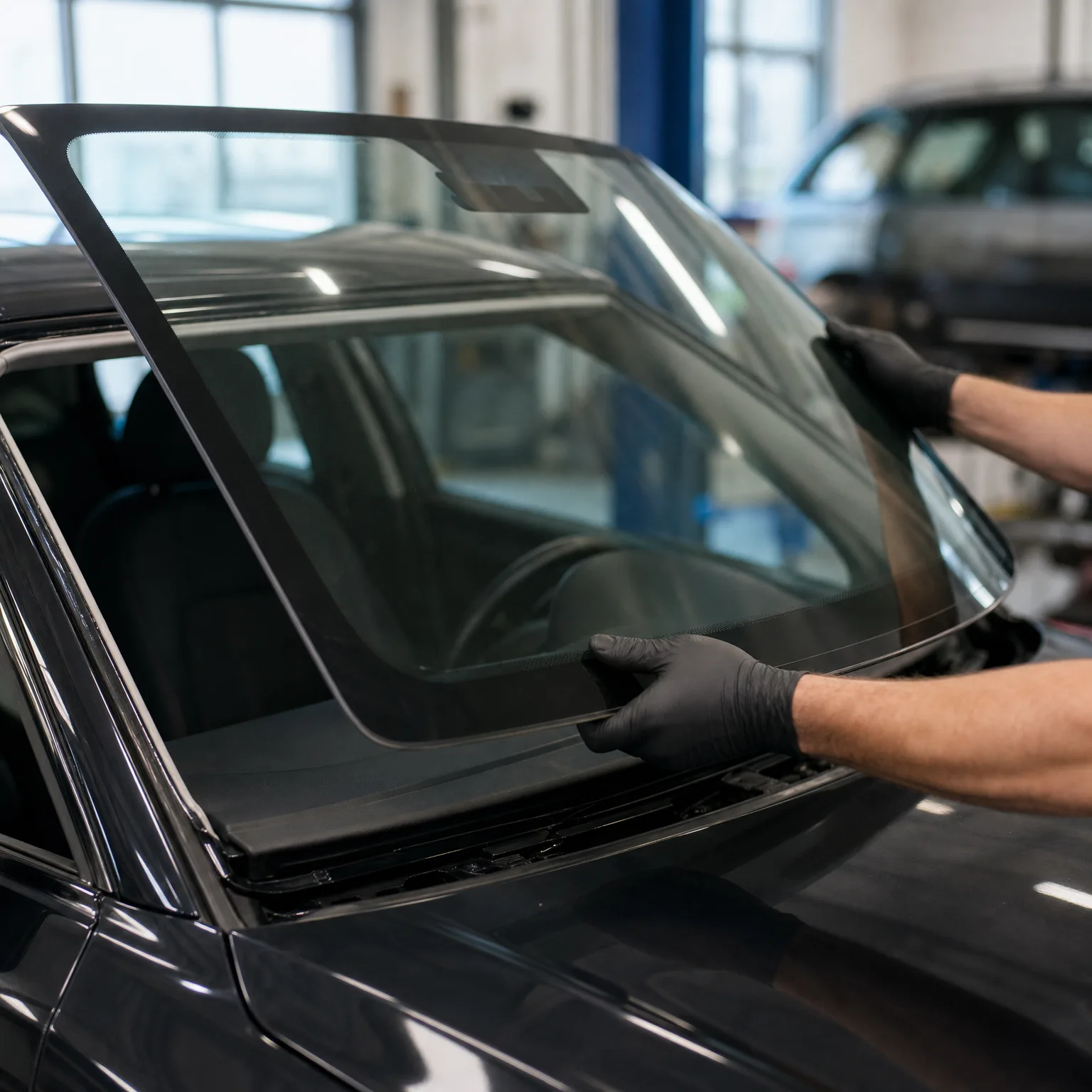
After an accident, you report the damage, and an adjuster either inspects the car in person or reviews photos and a repair estimate. The insurer then pays out based on either the cost to repair the car or its current value, whichever is less, minus your deductible.
If the damage costs more to fix than the car is worth, the insurer will likely declare it a total loss and pay you the car's value instead of paying for repairs. That payout is based on what the car was worth right before the accident, not what you originally paid for it or what you'd need to replace it with something similar.
Have your policy number, photos of the damage, and a police report if one was filed. If you're not sure whether repair costs will exceed the car's value, ask the adjuster directly rather than guessing.
Collision versus comprehensive
Collision Coverage
This pays for damage from hitting another vehicle or object, or from your car rolling over. It applies whether the accident was your fault or not.
Comprehensive Coverage
This pays for damage that isn't caused by a collision, like weather, fire, theft, vandalism, or hitting an animal. The two are usually sold as a pair but they cover different events.
If you want protection from everyday driving accidents, you need collision, and if you want protection from everything else that can happen to a parked or driven car, you need comprehensive alongside it.
Real situations
You're pulling out of a church parking lot after a Sunday service and clip a concrete post you didn't see.
This pays for the damage to your car, minus your deductible, since it's a collision with a fixed object.
A hailstorm moves through while your car is parked at home and dents the hood and roof.
This doesn't pay, hail is handled under comprehensive coverage instead.
A deer runs into the road at dusk on a county highway and you hit it before you can brake.
This doesn't pay either, animal strikes fall under comprehensive, not collision.
Once you know whether you're keeping, adjusting, or dropping this coverage, you can compare quotes that actually match what you've decided.
Questions people ask about this
Can I drop collision coverage on an old car?
Yes, you can drop it whenever the car is paid off and you own it outright. Many people do this once a car's value drops low enough that replacing it wouldn't be a major expense. Check with your agent first on what the car is currently valued at before deciding.
Does collision cover a rental car after an accident?
That depends on whether you added rental reimbursement to your policy separately. Collision coverage itself pays for your car's damage, not the cost of a replacement vehicle while it's being repaired. Ask your agent whether that's already part of your policy.
Who decides if my car is a total loss?
The insurance company makes that call, based on comparing the repair cost to the car's current value. If repairs would cost more than the car is worth, they'll typically total it rather than pay for repairs. You can ask to see how they arrived at the car's value if it seems too low.
Will my rates go up after a collision claim?
That depends on fault, your claims history, and your insurer's own rules, so it varies. A claim where you weren't at fault often affects rates less than one where you were. Ask your agent directly how a claim would affect your specific policy before you file.
Can I choose my own repair shop after a collision claim?
In most cases, yes, you can choose where the car gets repaired. Some insurers have preferred shops that come with guarantees on the work, but you're usually not required to use them. Ask the adjuster what your options are when you file the claim.