Collision Coverage for Backing Into Another Car
Collision coverage pays to repair or replace your own car when you back into another car, no matter whose fault it was.
What this coverage pays for
Covers
- Damage to your car It pays to repair your bumper, trunk, taillights or whatever else got hit when you backed up.
- Fault doesn't matter You're covered even though backing into someone is almost always considered your fault.
- Parking lot mishaps This is the coverage that applies when you clip another car pulling out of a spot at the grocery store.
- Fixed objects too The same coverage pays if you back into a pole, a mailbox or your own garage door instead of a car.
- A total loss payout If the damage costs more to fix than the car is worth, this coverage pays you its value instead.
- Rental car gaps If you have rental reimbursement added, it can cover a car while yours is in the shop from this kind of claim.
Doesn't cover
- The other driver's car Your liability coverage pays for the other car's damage, not this one.
- Medical bills Anyone hurt in the other car is covered by your liability or medical payments coverage, not collision.
- Mechanical problems A transmission or battery failure isn't a collision, so this coverage has nothing to do with it.
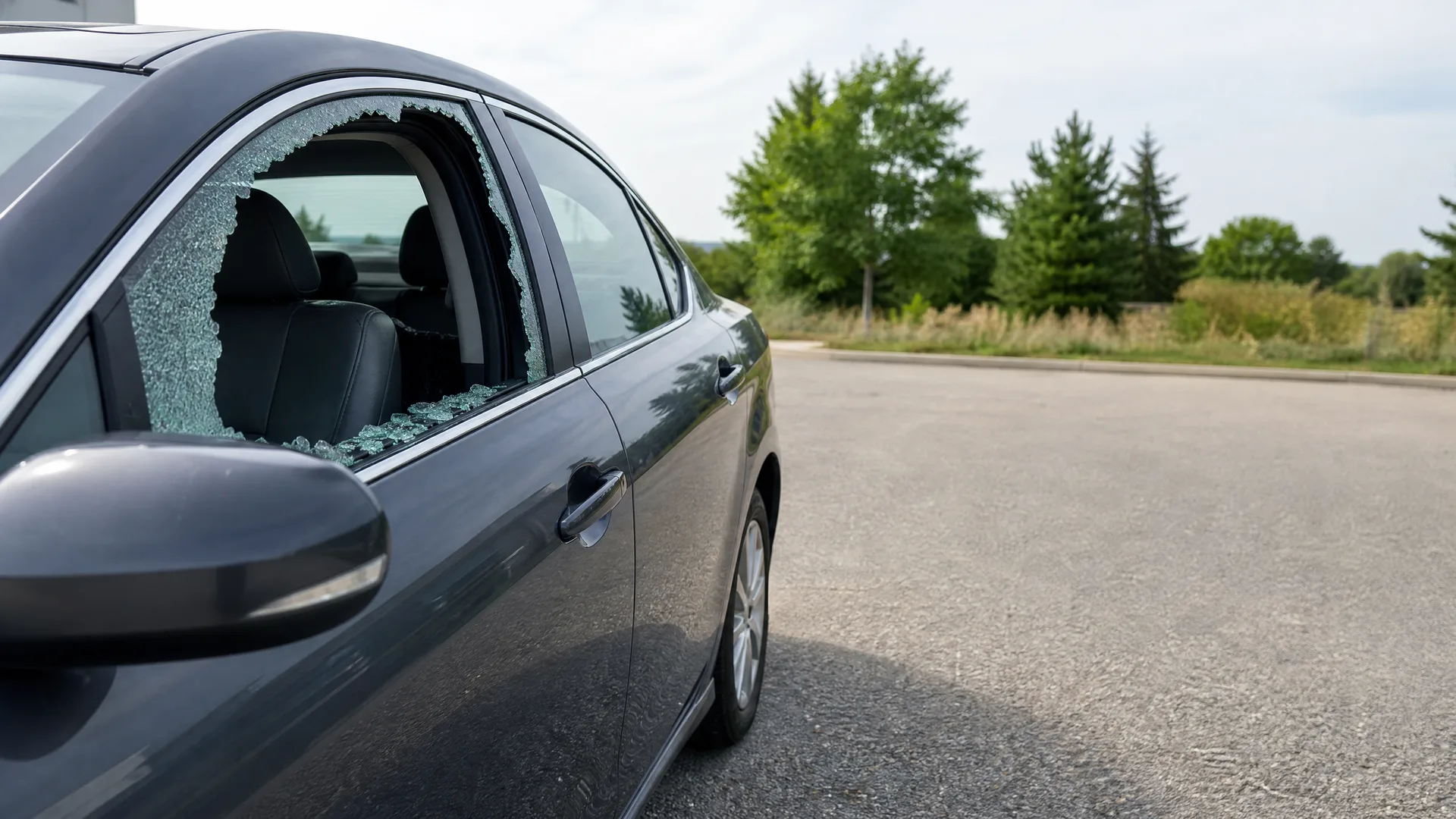
- Theft or vandalism Someone keying your car or breaking a window is handled by comprehensive coverage instead.
- Your deductible You pay that part yourself before the coverage pays the rest, no matter who caused the damage.
Worth keeping for most people, but not everyone
If your car is newer, financed, or worth a real amount of money, this coverage is doing serious work for you. A backed-into fender or crumpled trunk isn't cheap to fix, and this coverage is what keeps that repair from coming straight out of your checking account.
The math changes once a car is old enough that it isn't worth much. At that point you're paying a premium every year to protect a payout that may not amount to much if the car were ever totaled. Some people this age look at their car's value, compare it to what they're paying for this coverage, and decide the coverage no longer earns its keep.
How much you drive matters too. Someone who's mostly off the road, running errands close to home and parking in their own driveway, is taking on less risk than someone still commuting daily or navigating crowded lots regularly. Less driving generally means less chance of ever using this coverage.
The last piece is simply what you could absorb yourself. If a bent bumper or a smashed taillight is money you could pay without strain, dropping this coverage is a real option. If that repair bill would be a hardship, keeping it is the safer call.
What happens when you actually use it
You pay a deductible first, and the coverage pays the rest of the approved repair cost, up to your car's value. You choose that deductible amount when you set up the policy, and it stays the same no matter who caused the accident.
After a backing accident, you'll file a claim, and an adjuster or an approved shop will look over the damage. If your car is still drivable, you may get it inspected at a shop of your choosing. If it's not drivable, it may be towed in as part of the claim.
The payment covers the repair itself, parts and labor, up to what your car is worth. It won't pay for unrelated wear and tear the shop notices while they have the hood open, and it won't cover a rental car unless you added that separately.
Have your policy number, the other driver's information if there is another car involved, and photos of the damage ready when you call. A clear description of how it happened, said plainly, moves the claim along faster.
Collision vs. comprehensive
Collision coverage
This pays for damage from hitting something, including backing into another car, a pole or a fence. It applies whether or not the accident was your fault.
Comprehensive coverage
This pays for damage that isn't from a collision, things like hail, a fallen tree branch, a deer strike or theft. It's the coverage for things that happen to your car rather than things you drive into.
If you're deciding whether to keep one and drop the other, think about what actually worries you more, a fender bender or a parking lot ding versus weather and animals, since they protect against different things.
Real situations
You're leaving a church parking lot and back into a car you didn't see pulling in behind you, denting both bumpers.
This coverage pays for your car's damage after your deductible, since backing into another car is exactly what it covers.
A hailstorm hits while your car sits in the lot during a doctor's appointment, leaving small dents across the hood.
This coverage doesn't pay for that. Comprehensive coverage is what handles hail and other weather damage.
A deer crosses the road at dusk and you swerve, running into a ditch without hitting the deer itself.
This coverage pays here, since running off the road and into a ditch counts as a collision even without hitting the deer.
Once you know whether you're keeping, adjusting or dropping this coverage, you can compare quotes with that decision already settled.
Questions people ask about this
Does my insurance go up after backing into a car?
It often does, since backing into another car is typically considered your fault. How much it rises depends on your insurer's rules and your claims history, so it's worth asking your agent directly how a claim like this would affect your specific policy.
What if the other driver says it's okay and we don't call insurance?
You can handle it privately if you both agree, paying for the damage directly instead of filing a claim. This avoids any effect on your rates, but it means you're relying entirely on that person's word, with no insurer involved if they change their mind later.
Do I need a police report for a parking lot accident?
It depends on your state and how serious the damage is, so check your state's rules or ask your insurer directly. Many parking lot incidents are minor enough that a report isn't required, but having one can make a claim go more smoothly if there's any dispute.
Can I drop collision coverage but keep comprehensive?
Yes, you can carry one without the other in most cases, since they're separate coverages you choose independently. This is common once a car is paid off and worth less, since owners may want protection from weather or theft but decide collision no longer pays its way.
Does collision coverage cover a rental car I'm driving?
Often yes, since many policies extend your own collision coverage to a rental car you're driving, but this varies by policy and is worth confirming before you rent. Check with your insurer directly, since some policies require you to add specific rental coverage separately.