Car Accident Without Collision Coverage
Without collision coverage, you pay for your own car's damage out of pocket, no matter who caused the accident.
You're responsible for your own vehicle's repairs
Collision coverage is what pays to fix or replace your car after an accident you caused, or one where fault isn't clear. Without it, that cost falls to you. If the other driver caused the crash, their liability insurance should cover your car, but that only works if they're found at fault and they actually carry enough coverage.
If you caused the accident, or if fault is split, there's no insurance paying for your vehicle. Your own medical bills and the other driver's damage may still be covered under other parts of your policy, but your car is on you.
Who caused the accident changes everything
If the other driver is clearly at fault, their liability coverage is supposed to pay for your car. You'd file a claim against their policy, not your own. This can still take time, since their insurer will investigate and may dispute fault before paying anything.
If fault is shared, which happens more often than people expect, you may only recover part of your repair cost from the other driver's insurer, or nothing at all, depending on how your state handles shared fault.
If you caused the accident, there's no one else's policy to turn to. Without collision coverage, you pay to fix your car yourself, or you drive it as is, or you don't fix it.
Before assuming the other driver will pay, check whether your state requires a certain amount of liability coverage and whether that amount would even cover your car's value.
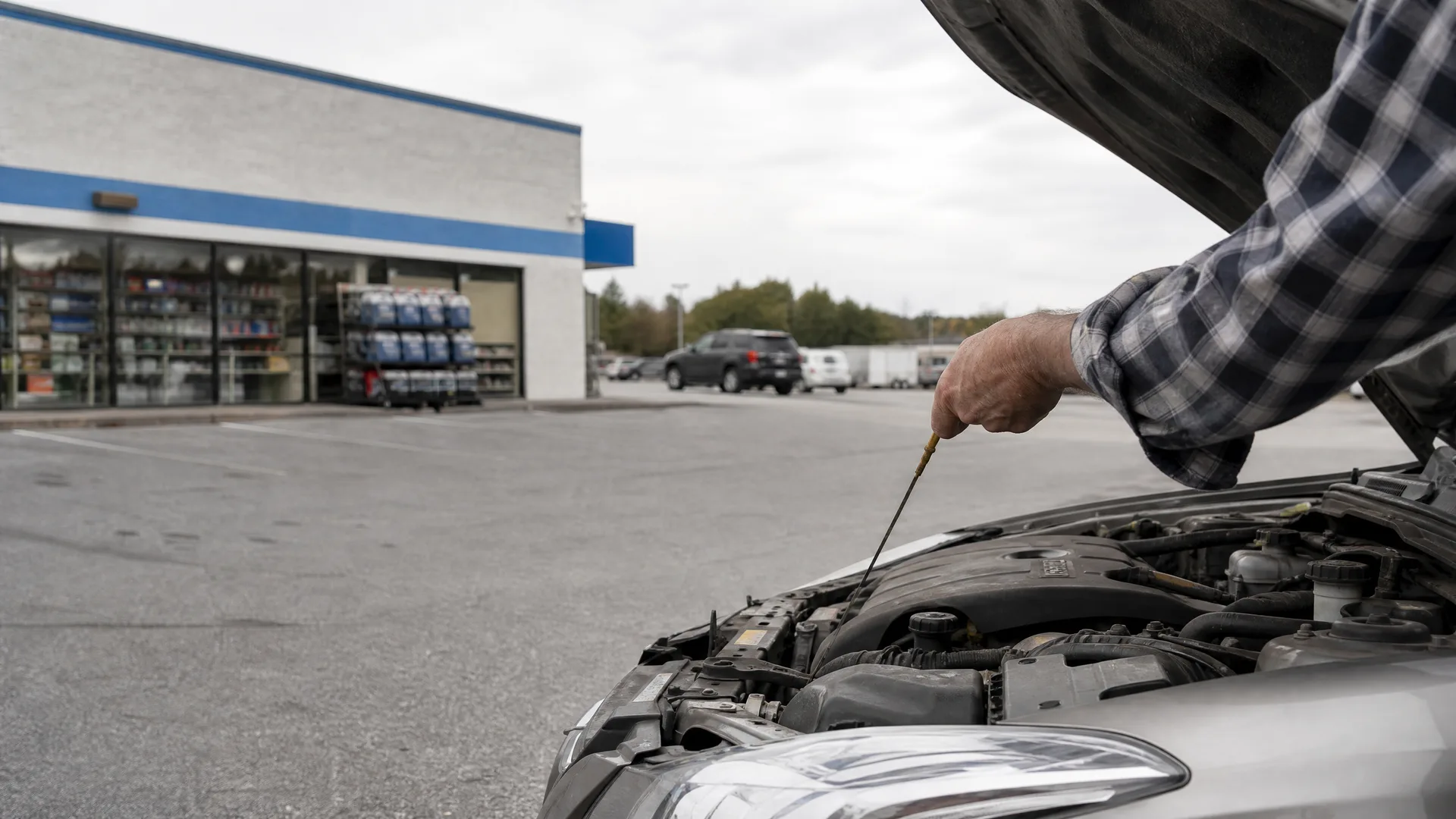
What your car is worth decides whether collision coverage makes sense going forward
Collision coverage usually costs more relative to an older car's value than a newer one. Some drivers drop it on a car that's paid off and not worth much, on the reasoning that repairs might cost more than the car itself.
That math only works if you can afford to walk away from the car entirely after an accident. If replacing it would be a hardship, dropping collision coverage to save on premium can leave you without a way to get around.
After an accident without this coverage, it's worth asking your insurer what collision coverage would actually cost for your specific car now. The answer may be different than when you first dropped it, especially if your car has lost value or if your record has changed.
Questions people ask about this
Can I add collision coverage after the accident already happened?
No, collision coverage only pays for damage that happens after the policy change takes effect. You cannot add it retroactively to cover a crash that already occurred. If you want this protection going forward, you'd add it for future accidents only.
Does liability insurance cover my own car's damage?
No, liability coverage pays for damage and injuries you cause to other people, not your own vehicle. Your own car's damage is covered by collision coverage, or by the other driver's liability insurance if they're found at fault.
What if the other driver doesn't have enough insurance to cover my car?
This depends on whether you carry uninsured or underinsured motorist property damage coverage, which is separate from collision coverage. Without either of these, you'd need to pursue the other driver directly for the remaining cost, which can be difficult to collect.
Will my insurer total my car if I don't have collision coverage?
No, without collision coverage there's no claim for your insurer to evaluate on your vehicle, so there's no total loss payout coming from your side. A total loss determination only happens when an insurer is assessing what it would cost to pay out a claim.
Should I get collision coverage now that I've had an accident without it?
That depends on your car's value, what you can afford to repair out of pocket, and what your insurer would charge given your current record. Ask your insurer for a quote on collision coverage specifically so you can weigh the cost against what you'd pay out of pocket next time.
If this accident has you rethinking what your policy covers, see what collision coverage would cost you now.
Get a copy of the accident report and any estimate for your car's repairs before you call your insurer. Ask them directly whether the other driver has been found at fault and what that means for your claim. If you're considering adding collision coverage, ask for a quote based on your car's current value and your driving record, not what it might have cost years ago. Check your state's rules on fault and property damage, since these determine whether you can recover anything from the other driver. If the other driver is uninsured or underinsured, ask your own insurer what options you have under your policy. Keep every document from this accident, since you may need them whether you pursue a claim now or add coverage later.