Can I Add Collision Coverage After an Accident
You can add collision coverage any time, but it only covers damage that happens after it's in effect.
Yes, but it won't help with the accident that already happened
You can call your insurer today and add collision coverage to your policy. There's no rule against it, and no waiting period that keeps you from doing it right after a crash.
What it won't do is pay for the accident that already happened. Collision coverage pays for damage from a crash that occurs while the coverage is active. An accident from last week, or even this morning, happened before the coverage existed, so it falls outside the policy no matter when you add the coverage later in the day.
Whether your car is still worth insuring for collision
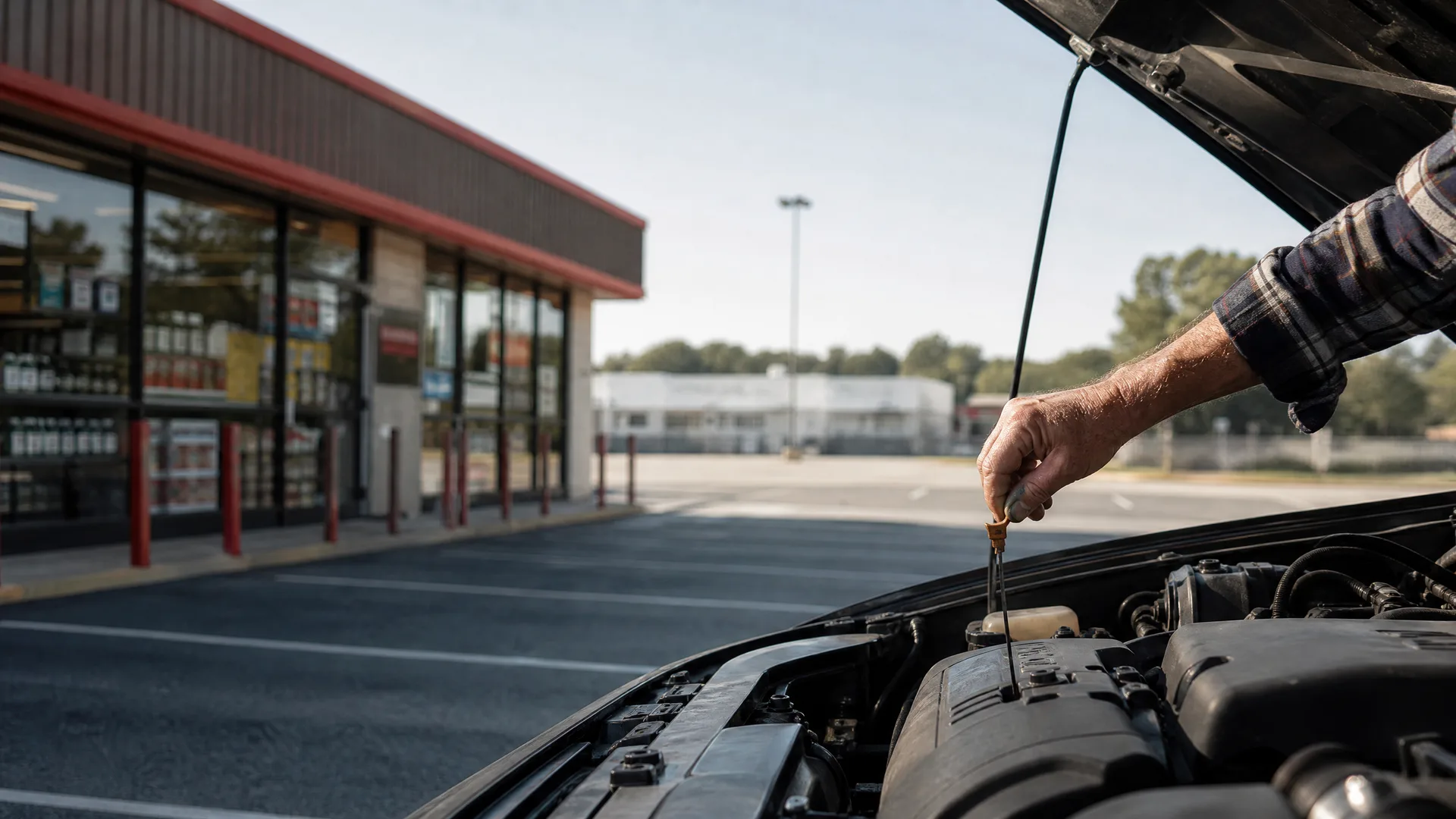
Before you add it, it helps to know what your car is worth right now, especially if it just took damage. Collision coverage pays out based on your car's actual cash value, minus your deductible. If the accident already dropped that value, or if the car is older and worth little to begin with, the payout on some future claim may not be much more than the deductible itself.
This is worth checking even if the current accident isn't the one you're trying to cover. A lot of drivers add collision coverage after a first accident because they're worried about a second one, without checking whether the coverage would actually pay out enough to matter.
If you're financing or leasing the car, your lender likely requires collision coverage regardless of what it's worth, so this calculation may not be yours to make. Check your loan or lease agreement if you're not sure.
How the current accident affects your rate once you do add it
Adding collision coverage after an accident doesn't erase the accident from your record. If you're at fault, that accident will likely affect your premium when your insurer recalculates it, whether or not collision coverage was on the policy at the time.
Some insurers will quote a new collision rate that already reflects the accident, since they can see your driving history when you request the change. Others may wait until your next renewal to adjust pricing based on it. Ask your insurer directly how the accident factors into the price of the collision coverage you're adding now.
If you're shopping around rather than adding coverage through your current insurer, expect every company you ask to see the accident on your record and price accordingly. Switching insurers doesn't hide it.
Questions people ask about this
Can I add collision coverage right after a crash to cover it retroactively?
No, collision coverage only applies to damage that happens while the policy is in force. Insurers set the effective date and time when you add coverage, and claims from before that moment aren't covered. Trying to backdate a claim this way is considered insurance fraud.
How long does it take for new collision coverage to become active?
This depends on the insurer, but many policies let you add coverage with same-day or next-day effect once you agree to the change and any new premium. Ask your insurer exactly when the new coverage starts, since that moment is what determines what it covers going forward.
Will my insurer drop my collision coverage after I file a claim?
This depends on the insurer and your overall record, not just the one claim. Some insurers continue the coverage at a higher rate at renewal, others may decline to renew it. Ask your insurer directly what happens to your collision coverage specifically, not just your policy overall.
Should I pay out of pocket instead of filing a claim and raising my rate?
This depends on how much the repair costs compared to what a rate increase would cost you over time, and only your insurer can tell you how a claim would affect your specific premium. Ask for that estimate before you decide, since filing is not required just because you have coverage.
Does my state require me to carry collision coverage?
No state requires collision coverage the way they require liability coverage. Collision is optional unless a lender or leasing company requires it as a condition of your loan. Check your loan agreement, not your state's minimum insurance law, to see if you're required to carry it.
See what collision coverage costs with your current record before you decide whether to add it.
Call your insurer and ask two things: what it would cost to add collision coverage starting today, and how the recent accident affects that price. Have your vehicle's year, make, model, and mileage ready, since the payout depends on its value. If the car is financed or leased, pull out that agreement and check whether collision coverage is required rather than optional. If you're also deciding whether to file a claim on the current accident, ask your insurer for a specific estimate of how that claim would change your premium before you file. Then decide whether adding or keeping collision coverage still makes sense given what the car is worth now.